I’ll never forget my first week in Pyeongtaek. I was so proud of myself for finally unpacking, only to realize I had a mountain of cardboard boxes and no clue what to do with them. I stuffed them in a regular black bag, dragged it to the curb, and thought I was a champ. The next morning, my bag was still there—ripped open, with a bright yellow sticker screaming “FINE” in Korean. That’s when I learned the hard way: Korea’s trash system doesn’t mess around, especially near Camp Humphreys.
Here’s your no-BS guide to trash disposal in Pyeongtaek, based on years of trial, error, and a few close calls with the local enforcers.
Buy the Right Bags (Yes, You Need Specific Ones)
In Pyeongtaek, you can’t just use any plastic bag. General household waste goes into official “종량제 봉투” (standard volume-rate bags) sold at convenience stores like GS25 or local marts. These bags come in different sizes (10L, 20L, 50L) and cost around 500-1,500 won each. For food waste, you’ll need separate bags or stickers, depending on your apartment complex. Pro tip: Always check with your building manager—some areas near Camp Humphreys have specific collection days and bag colors. Don’t be the foreigner who buys the wrong ones and ends up with a fine.
Master the 3-Second Sorting Rule
Koreans sort trash into at least four categories: general waste, food waste, recyclables (paper, plastic, glass, metal), and large waste items (furniture, electronics). The trick? Learn the “3-second rule”: if it takes more than 3 seconds to figure out where something goes, you’re probably doing it wrong. For example, a dirty pizza box? That’s general waste, not recycling. A plastic bottle with a label? Remove the label and rinse it first. Pyeongtaek’s recycling centers are strict—they’ll reject your bag if it’s contaminated. When in doubt, check the Korean signs (they’re everywhere) or ask a neighbor. Most locals are happy to help if you’re polite.
Know Your District’s Schedule and Drop-Off Points
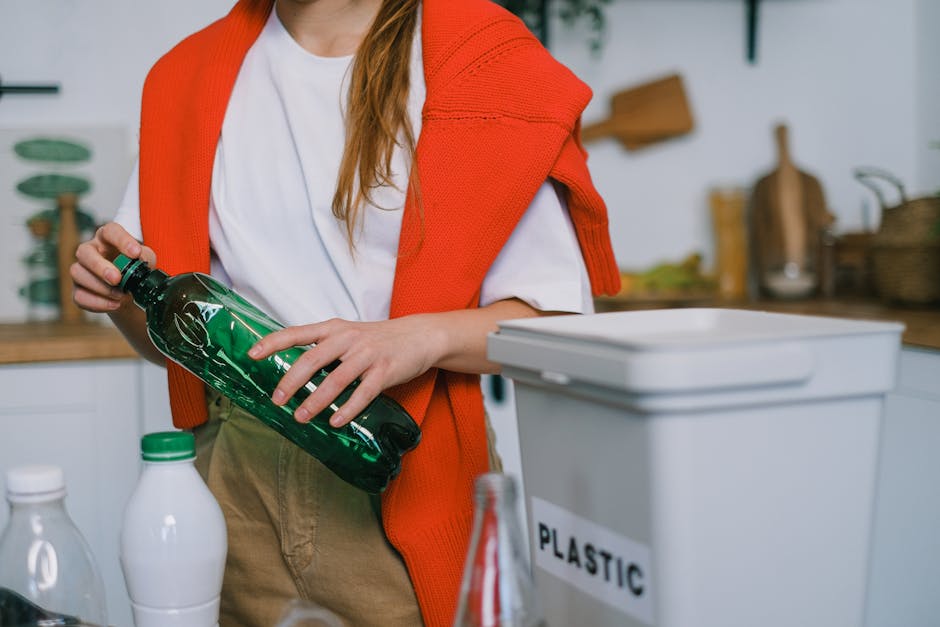
Pyeongtaek is huge, and each area (like Anjung-eup or Paengseong-eup) has its own pickup schedule. Near Camp Humphreys, general waste is usually collected 2-3 times a week, but food waste might be daily. Recyclables are often picked up on specific days, like Wednesday and Saturday. Download the “Pyeongtaek City” app or visit the local office for a calendar. Also, large items (like an old mattress) require a special sticker from the community center—costs about 5,000-10,000 won based on size. Don’t just dump them; you’ll get fined. For electronics, some stores like Emart take them for free if you buy a replacement.
The Brutal Truth: Even if you do everything right, you might still get a fine if your neighbors snitch. Koreans are hyper-vigilant about trash rules, and some areas have CCTV cameras watching dumpsters. One stray bag left on the wrong day can cost you 100,000 won or more. The system isn’t forgiving—it’s designed for compliance, not convenience.
Conclusion: Look, the trash rules here are a pain, but they’re not impossible. Once you get the hang of it, you’ll feel like a pro—and you’ll save yourself a ton of money and headaches. Treat it like a game: buy the right bags, sort fast, and stick to the schedule. You’ve got this. Welcome to Pyeongtaek—now go take out the trash like a local.
태그 : 쓰레기 분리수거 방법, Pyeongtaek trash rules, Camp Humphreys waste disposal, Korean garbage sorting for foreigners, Pyeongtaek recycling tips
🛒 Korea Life Essential: Korean trash bags
One of the must-have items to make your life in Pyeongtaek (Camp Humphreys), Gyeonggi easier and more enjoyable!
| 🇰🇷 Coupang | Buy on Coupang |
| 🌍 AliExpress | Buy on AliExpress |
This post contains affiliate links. We may earn a small commission at no extra cost to you.