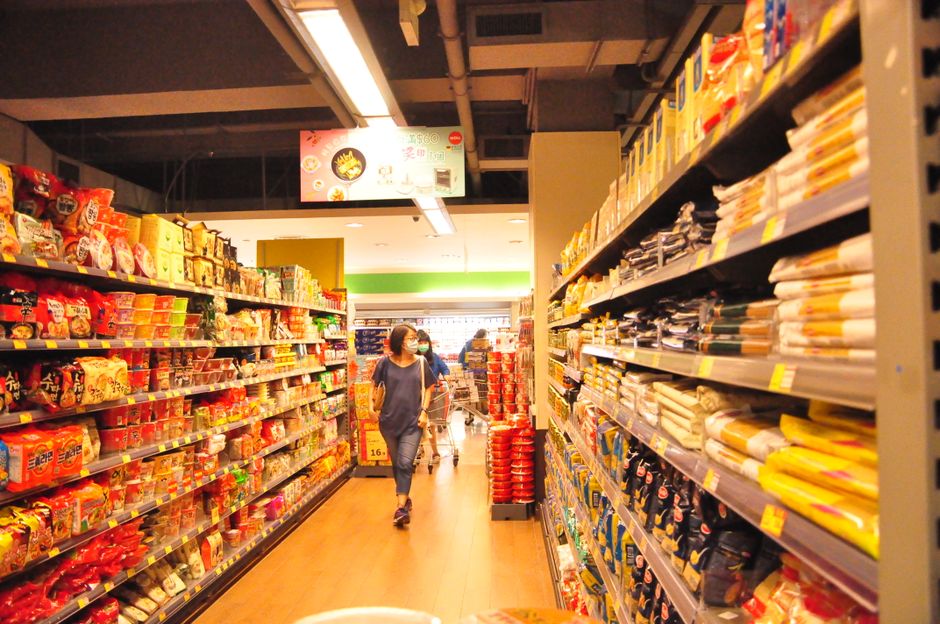
I still remember my first week in Yongsan. I walked into a massive E-Mart near Yongsan Station, confident after years of shopping in the West, only to walk out 40 minutes later with nothing but a pack of tissues and a mild panic attack. I couldn’t figure out why the staff looked at me like I was crazy when I tried to bag my own groceries, or why the ajumma next to me was elbowing me to get to the cabbage. It felt like everyone was speaking a secret language, and I was the only one who didn’t get the manual.
Navigating Korean supermarkets isn’t just about finding food; it’s about understanding a specific cultural rhythm. If you live in Itaewon or Yongsan, you have access to some of the best shopping spots in Seoul, from the massive hypermarkets to the local marts. Here is how to stop being a tourist and start shopping like a local pro.
Mastering the Membership and Point System
In Korea, the loyalty card is king. If you are shopping at E-Mart, Homeplus, or Lotte Mart without a membership, you are literally throwing money away. Sign up for a membership card immediately at the customer service desk (usually on the 1st floor or near the entrance). You don’t need a Korean social security number for the basic points card, just your ARC (Alien Registration Card) and a phone number. The discounts are often exclusive to members, and the points accumulate fast. At E-Mart, the “E-mart Money” or Shinsegae points can be used like cash later. If you shop at Lotte Mart, get the L.POINT card—it works at Lotte affiliates everywhere. Pro tip: If you shop at Costco in Yangjae or the new one in Goyang, your international membership works, but you *must* bring a physical card or use the app; they won’t look you up by name at the register.
The Art of the Sample and the “Service”
Korean marts are famous for aggressive sampling. You will see ajummas handing out cups of ramen, slices of fruit, and rice cakes. Don’t be shy—take the sample. It is not rude; it is expected. However, the “Service” culture is where you can save big. “Service” (서비스) means freebies. If you buy a lot of fruit or meat, especially at local marts in Itaewon or the Yongsan area, ask the vendor if they can “service” you. Often, they will throw in an extra apple or a few extra dumplings. It’s a sign of goodwill. Also, learn the magic phrase: “Deo juseyo” (더 주세요) which means “Please give me more,” usually used when asking for extra side dishes or bags, though it’s best used sparingly and with a smile.
Navigating the Bagging and Cart Etiquette
This is the number one mistake foreigners make. In Korea, you do not bag your own groceries at the checkout counter. The cashier scans everything and piles it up. You then move to a separate “Bagging Station” (usually a table behind the register) to pack your items. If you try to bag at the register, you will hold up the line and get death stares. Also, you have to pay for plastic bags. They cost about 100 won. Do what the locals do: bring your own eco-friendly shopping cart or a sturdy reusable bag. If you are buying a lot of heavy items like water or rice, buy a “cart” (a cardboard box) for 500 won or bring a foldable shopping cart (the granny cart). In Itaewon, the local marts are smaller, so keep your cart out of the aisles—park it at the end of the row.
The Brutal Truth
Here is the harsh reality: Korean supermarkets are designed for speed, not comfort. The aisles are narrow, the ajummas are aggressive, and the staff are overworked. You will get pushed. You will get cut in line by someone who pretends not to see you. Don’t take it personally. It is not a personal attack; it is a cultural difference in spatial awareness and urgency. If you stand in the middle of the aisle looking confused, you are an obstacle. Move with purpose, or move out of the way. Also, many fresh produce items are sold in huge bulk quantities. If you are single, buying a 10kg bag of onions is a trap. Shop at local street markets or smaller marts for single portions, or prepare to eat kimchi for a month straight.
Conclusion
Living in Seoul is an adventure, and grocery shopping is just another part of the journey. Once you figure out the point system, master the bagging station, and learn to dodge the elbow of a determined shopper, you will actually start to enjoy it. The food quality is incredible, and the prices are reasonable if you know how to play the game. Take your time, be polite, and don’t be afraid to ask for help. You’ve got this.
태그 : 외국인 이마트 홈플러스 이용, grocery shopping in Korea for foreigners, Itaewon Yongsan supermarket guide, E-mart Homeplus shopping tips, Korean supermarket etiquette, expat life in Seoul shopping
🛒 Korea Life Essential: Korean ramen pot, eco-friendly grocery bag, T-money card
One of the must-have items to make your life in Itaewon, Yongsan, Seoul easier and more enjoyable!
| 🇰🇷 Coupang | Buy on Coupang |
| 🌍 AliExpress | Buy on AliExpress |

This post contains affiliate links. We may earn a small commission at no extra cost to you.