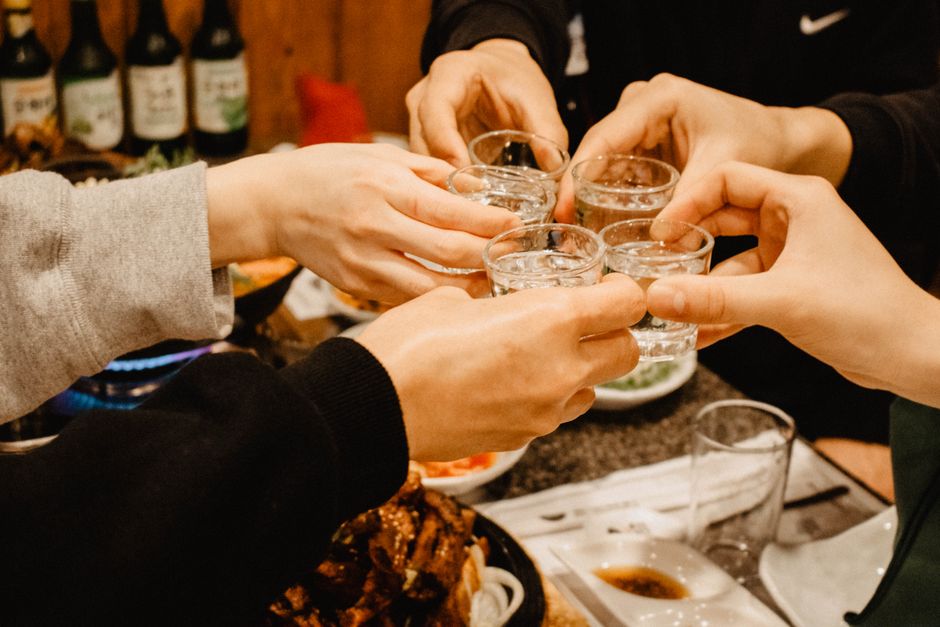
I remember my first month near Kyungsung University. I thought I was doing great. I’d navigated the metro, ordered tteokbokki without pointing, and even got a smile from the ajumma at the corner store. Then, my Korean friend added me to a group KakaoTalk chat for a weekend hike. Within 3 hours, I had 214 unread messages, 11 food emojis, and a plan to meet at a place I couldn’t pronounce. I felt like I was drowning in social obligation. But here’s the thing: I wasn’t drowning. I was just swimming in a different cultural pool. Here is the survival guide I wish I had back then.
1. The “Ppali-Ppali” (빨리빨리) Paradox: Speed is a Sign of Respect, Not Stress
In the Kyungsung Univ area, especially around the busy streets near Gwangalli Beach, you will notice that everything moves fast. People walk fast, eat fast, and expect replies fast. The keyword here is *nunchi* (눈치), or the art of reading the room. When a Korean friend says “ppali ppali” (quickly quickly), they aren’t necessarily angry. They are showing that they value your time and the group’s time.
Survival Tip: Don’t take the speed as an insult. When you are invited to dinner at 7 PM, that means 7:00 PM sharp, not 7:10. Show up on time. When you get a KakaoTalk message, reply with a simple “네” (yes) or a thumbs-up emoji immediately, even if you don’t have a full answer yet. This acknowledges the social bond. You can send the detailed answer later. It’s not about efficiency; it’s about social synchronization.
2. The Power of “We” vs. “I”: The Collective Dining Etiquette
In the West, we often split bills. In Korea, especially with groups of students or young professionals near Kyungsung, the concept of *dutch pay* is different. Often, someone will pay for the whole meal, usually the senior or the person who suggested the meet-up. However, this isn’t a charity act; it’s a social investment.
Survival Tip: If someone buys you a meal, you do not need to split the money. Instead, you buy them a “coffee” (커피) later, or you buy the *hwe* (raw fish) next time. This creates a cycle of *jeong* (정), a deep-seated bond of affection and loyalty. Also, when pouring drinks, always use two hands, and when receiving, hold your cup with two hands. Turning your head away when an elder drinks is a classic sign of respect. This is not about being submissive; it’s about maintaining group harmony.
3. The “Jejung” (제중) Social Circle: You Are Not Just a Friend, You Are a Contact
In the Kyungsung area, a university-centric neighborhood, your social network is your lifeline. Koreans often compartmentalize friends: high school friends, university friends, military friends, and work colleagues. As a foreigner, you might be categorized as a “foreign friend.” This means you are often the bridge for language exchange or a fun, exotic addition to the group.
Survival Tip: To integrate deeper, offer value. Help a Korean friend with their English presentation. Ask them to teach you a specific Korean slang phrase. Show interest in their *soju* brand preference. By participating in the exchange, you move from being a “guest” to being a “member.” Don’t be afraid to initiate the *hoesik* (회식) (company/group dinner) yourself. Saying “우리 치맥할래요?” (Shall we have chicken and beer?) shows you are invested in the group dynamic, which is the highest form of social currency.
The Brutal Truth
The brutal truth is that you will always be a bit of an outsider. Even after 10 years, you might not be invited to certain family gatherings or *gyemoim* (계모임) (private savings clubs) because those are built on decades of shared history and trust that you simply cannot replicate as an adult foreigner. The “Korean friend” you have might be your best friend, but you might not be their *best* friend. This isn’t malice; it’s simply the depth of their pre-existing social strata. Accepting this reality will save you from a lot of heartache and loneliness. It doesn’t mean you won’t have deep connections; it just means the texture of those connections will be different than what you know back home.
Conclusion
Living in Busan, especially in the vibrant Kyungsung Univ area, is a wild, wonderful ride. You’ll learn to love the chaos of the street food stalls, the calm of the ocean nearby, and the intense loyalty of your Korean peers. You’ll stumble, you’ll say the wrong thing, and you’ll send a KakaoTalk message to the whole group chat by accident. But that’s part of the adventure. Keep your head up, keep your *soju* glass full, and keep showing up. The *jeong* will follow.
—
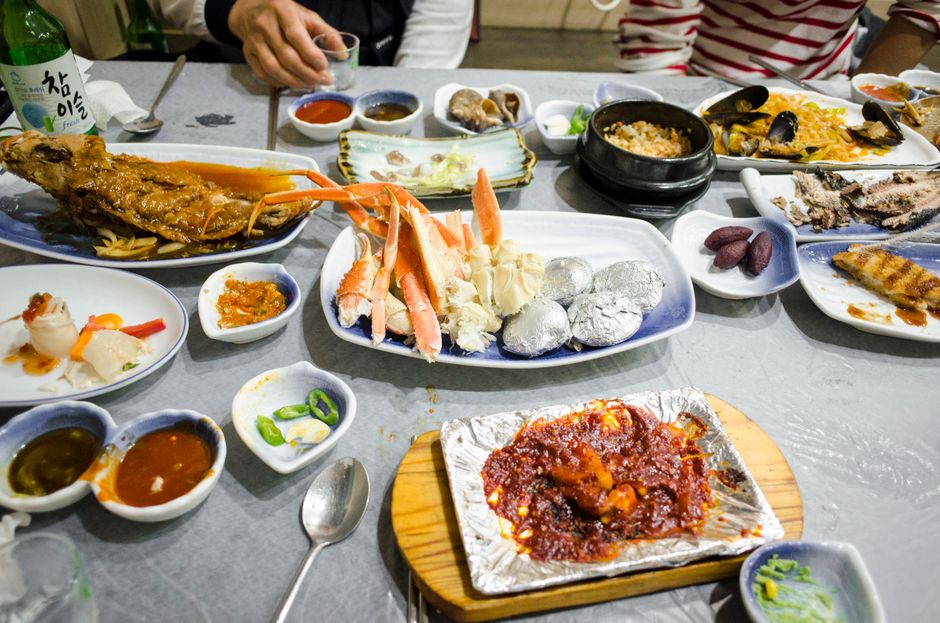
태그 : 한국 생활 팁, Busan expat survival guide, Kyungsung University neighborhood tips, Korean group chat etiquette, Korean drinking culture explained, living in Busan as a foreigner
🛒 Korea Life Essential: Portable translator device, Korean language study book, T-Money card
One of the must-have items to make your life in Kyungsung Univ Area, Busan easier and more enjoyable!
| 🇰🇷 Coupang | Buy on Coupang |
| 🌍 AliExpress | Buy on AliExpress |
This post contains affiliate links. We may earn a small commission at no extra cost to you.