I remember sitting in a Gwangalli coffee shop, staring at the Gwangan Bridge, wondering if my E-2 visa renewal would come through in time. The anxiety was real—one wrong step with immigration and my life in Busan could unravel. After a decade here, I’ve learned the hard way that visa knowledge isn’t optional; it’s your lifeline. Here’s the no-BS guide to navigating D-2, E-2, and F-2 visas as a foreigner in Gwangalli.
1. D-2 (Student Visa): Don’t Just Rely on Your School’s Office
If you’re a student at a university near Gwangalli (like Pukyong National or Dong-A), the D-2 visa seems straightforward—your school handles the paperwork. But here’s the catch: immigration officers in Busan can be strict about part-time work permits. You’re allowed to work up to 20 hours a week during semesters (40 during breaks), but you MUST get a specific permission form (외국인유학생 시간제취업 허가) from your local immigration office in Busan. Don’t assume your school’s international office will file this for you. I’ve seen students get fined for working at a Gwangalli cafe without it. Pro tip: Visit the Busan Immigration Office (near Seomyeon) in person with your contract and student ID. Bring a Korean-speaking friend if needed—the forms are in Korean only.
2. E-2 (Teaching Visa): Renew 90 Days Before, Not 30
Teaching English in Busan? The E-2 is common for hagwon and public school jobs, but the renewal process is a headache if you procrastinate. Rule of thumb: start the renewal process 90 days before your visa expires. Why? Your employer (the hagwon) needs to provide a renewed contract, a business registration copy, and a letter of employment. If they drag their feet—which happens often in Gwangalli’s competitive hagwon scene—you’ll be stuck in a panic. Also, you must have a health check (신체검사) from a designated hospital within 90 days of renewal. Book it at Busan Medical Center or Pusan National University Hospital. Miss the deadline, and you’re on a flight out.
3. F-2 (Residence Visa): The Golden Ticket, but It’s a Grind
The F-2 visa lets you work anywhere without sponsorship—a dream for expats in Gwangalli who want to freelance, start a business, or switch jobs without drama. To qualify, you need a high score on the points system (100+ points for E-7 holders, or 120+ for others). Points come from income, Korean language skills (TOPIK level 4+), and years of residency. Brutal reality: You’ll need a tax history of at least 2 years in Korea, and immigration will check your bank statements for consistent savings. If you’ve been underreporting income for tax purposes, forget it. My advice: Start tracking your income and tax payments from day one. Use the “Hometax” website (홈택스) to check your records. Also, take a TOPIK test—even a level 3 can push you over the edge.
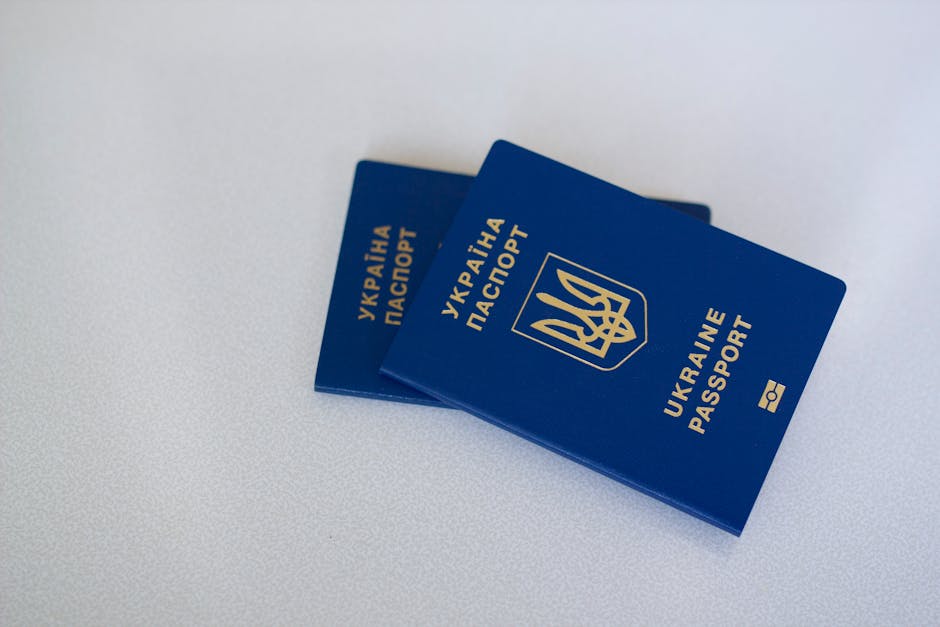
The Brutal Truth
The Korean immigration system is not designed to be user-friendly for foreigners. Even with perfect paperwork, a single missing stamp or a delayed document from your employer can derail your visa. And in Busan, the immigration office staff often speak limited English, so you’re expected to navigate Korean-only forms. If you can’t read Hangul, you’re at a serious disadvantage. No one will hold your hand.
Conclusion
Look, I get it—visas are boring and stressful. But your life in Gwangalli—watching the sunset over the bridge, eating sotteok at the night market, or chilling at a rooftop bar—depends on keeping your status clean. Start early, ask for help at the Global Center in Busan (they offer free consultations), and never assume. You’ve got this.
태그 : 외국인 비자 종류, Busan visa guide, D-2 student visa Korea, E-2 teaching visa Busan, F-2 residence visa tips, Gwangalli expat life
🛒 Korea Life Essential: Passport holder travel Busan
One of the must-have items to make your life in Gwangalli, Busan easier and more enjoyable!
| 🇰🇷 Coupang | Buy on Coupang |
| 🌍 AliExpress | Buy on AliExpress |

This post contains affiliate links. We may earn a small commission at no extra cost to you.