I remember my first week in Itaewon—standing at a bus stop near Yongsan Station, sweating through my shirt, wondering why the bus driver just stared at me when I tried to pay with cash. That was the day I learned Korea’s public transport system is a beast best tamed with local know-how. Here’s the unvarnished guide to riding Seoul’s trains and buses from an old-timer.
Master the T-money Card and Transfer System
Forget cash or credit cards—they’ll slow you down and cost you more. Get a T-money card from any convenience store (GS25, CU) and load it up. The magic is in the transfer discount: when you tap off a bus and tap onto a subway within 30 minutes, you pay zero extra for the transfer. The same works bus-to-bus. Always tap off, even on single-route buses, or you’ll get charged the full fare next time. The Korean keyword here is ‘버스 환승 요금’—know it, because it saves you hundreds of won every ride.
Know Your Itaewon Routes: The Subway vs. the Bus
Itaewon Station (Line 6) is your hub, but don’t sleep on the buses. For quick hops to Yongsan or Hannam-dong, bus 110 or 140 beats the subway’s walk time. For longer trips, the subway is faster but packed during rush hour (7:30-9 AM and 6-8 PM). Pro tip: Use KakaoMap or Naver Map—Google Maps is useless here for transit. Plug in your destination, and it’ll show exact bus numbers, arrival times in real-time, and transfer points.
The Seating Etiquette That Cuts Drama
South Korea’s buses and subways have unwritten rules that can make or break your commute. Never sit in the designated seats for the elderly, pregnant, or disabled—they’re marked with pink or blue stickers, and locals will glare. If a senior boards, stand up quickly, even if the seat isn’t marked. Also, avoid eating or drinking (except water) on subway cars—it’s a social faux pas that can get you dirty looks. And for the love of all things holy, don’t talk loudly on your phone.
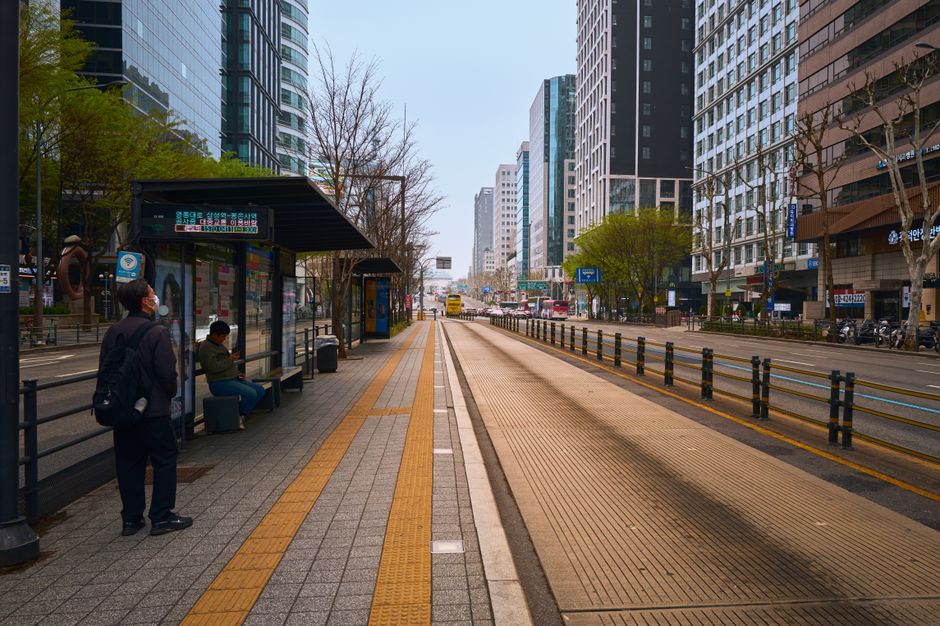
The Brutal Truth:
You will get shoved. It’s not personal—Koreans are just efficient at boarding. On a packed subway, personal space evaporates. Keep your bag on your front and your elbows in. If you’re sensitive to crowds, avoid Line 6 during peak hours; it’s a sardine can.
You’ll learn to love the rhythm of Seoul’s transport—once you stop fighting it. The key is prep: a loaded T-money card, a reliable map app, and thick skin for the rush. Now get out there and explore Itaewon without panic. You’ve got this.
태그 : 버스 환승 요금, Seoul public transport tips, Itaewon expat guide, T-money card Korea, subway etiquette South Korea, Yongsan bus routes
🛒 Korea Life Essential: T-money card, Seoul subway map
One of the must-have items to make your life in Itaewon, Yongsan, Seoul easier and more enjoyable!
| 🇰🇷 Coupang | Buy on Coupang |
| 🌍 AliExpress | Buy on AliExpress |
This post contains affiliate links. We may earn a small commission at no extra cost to you.