I’ll never forget my first week in Pyeongtaek. I was exhausted from jet lag, and I tossed a pizza box into the general trash bin in my apartment complex. The next morning, I found a bright yellow warning sticker on my door, threatening a fine of up to 1 million won. My Korean neighbor politely explained that cardboard is *recycling*, not general waste, and that I was a walking disaster for the local system. That’s when I learned: in Korea, trash is not just trash—it’s a cultural minefield.
Here’s the survival guide I wish I had back then, specifically for Camp Humphreys and Pyeongtaek city.
1. Know Your Bags: The Color-Coded Cash System
In Pyeongtaek, you can’t just use any plastic bag. You must buy official government-issued trash bags from your local convenience store (like GS25 or CU) or the mart. For general waste, bags are typically white or yellow with the Pyeongtaek logo. Food waste bags are a separate, often smaller, green or yellow bag. Don’t be cheap—buy them in bulk. If you use a random grocery bag, the trash collectors won’t pick it up, and your neighbors will report you. Pro tip: Keep a stash of these bags in your car for emergencies.
2. The Three-Bin Game: General, Food, and Recycling
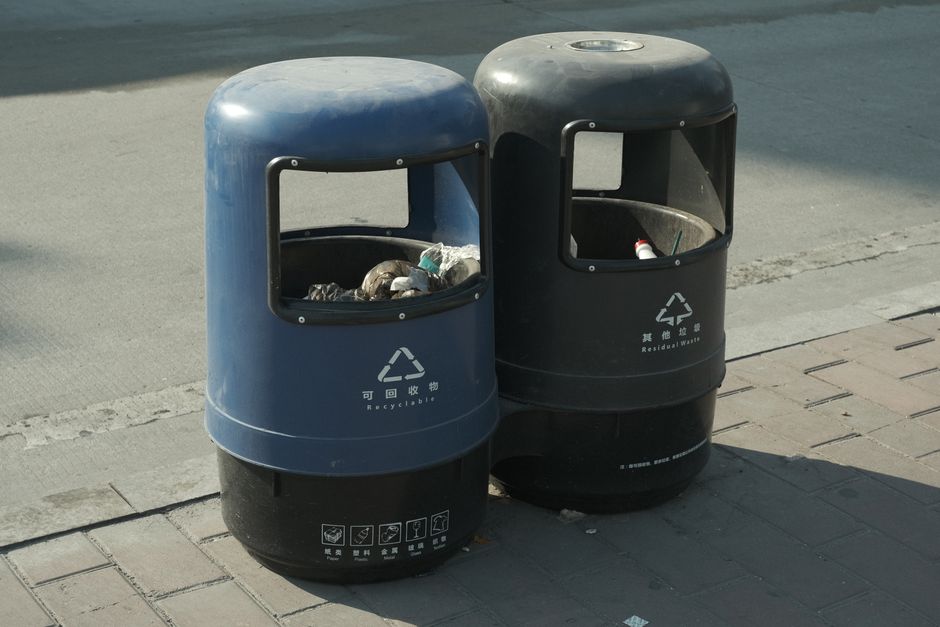
Your apartment complex will have a designated trash area (usually a cage or concrete bin). Here’s the breakdown:
3. The Schedule: Monday, Wednesday, Friday (But Check Your Zone)
Pyeongtaek’s collection schedule varies by neighborhood. Most areas have general waste pickup on Mondays, Wednesdays, and Fridays, with recycling on Tuesdays and Thursdays. Food waste is often daily in apartment complexes. But near Camp Humphreys, some military housing has different rules. Get the schedule from your building manager or download the local Pyeongtaek app. If you put your trash out on the wrong day, it sits there, rotting, and you get a warning—or a fine.
The Brutal Truth: The system is enforced by camera surveillance and neighbor reports. You *will* be fined if you screw up. The fine for illegal dumping (like leaving a bag outside the designated area) can be up to 1 million won. Even a single mistake—like putting a plastic bottle in the wrong bin—can trigger a notice from the local gu office. There’s no grace period for being new.

You’ll get the hang of it, I promise. The first month is the hardest, but once you’ve got your bags sorted and your schedule memorized, it becomes second nature. Don’t be afraid to ask your Korean neighbors or the ajumma at the convenience store. They’ll respect you more for trying. Now go forth and recycle like a pro—your wallet and your landlord will thank you.
태그 : Korean trash disposal rules Pyeongtaek, Camp Humphreys waste management guide, how to use Korean garbage bags, Pyeongtaek recycling schedule expats, Korea trash fine warning, foreigner trash tips South Korea