I remember my first week in Daejeon Dunsan. I was so proud of myself for cooking a proper meal until I faced the kitchen trash bin. In my home country, you just toss everything into one bag and forget about it. Here? I ended up with a pile of food scraps, plastic bottles, and general waste, plus a panicked Google Translate session with my building manager. If you’ve ever stood in a Korean alleyway, holding a bag of trash and wondering if you’re about to break a law, you’re not alone. Let me break it down so you don’t get fined or shamed by your neighbor.
Tip 1: Master the Color-Coded Bag System
In Daejeon Dunsan, you must use official “종량제 봉투” (standard garbage bags) for general waste. These are sold at convenience stores (like GS25 or CU) and local supermarkets. Buy the right size—small for daily use, large for bulk. For food waste, you’ll need separate bags (usually yellow or transparent) or a designated container. Don’t mix them! If you toss a banana peel into the general bag, you risk a fine or having your trash left behind by the collector. Check your building’s rules: some apartments have centralized food waste bins with RFID cards.
Tip 2: Know Your Recycling Categories (분리수거)
Recycling is a serious business here. You need to separate items into these basic groups: paper, plastic, glass, metal, and styrofoam. Rinse everything—no one wants your moldy yogurt container. In Dunsan, many areas have specific collection days for each type. Check the local schedule (often posted in your building lobby or on the Daejeon city website). For tricky items like batteries or electronics, take them to a designated drop-off point (like a nearby mart). Pro tip: crush plastic bottles and remove labels to save space and avoid confusion.
Tip 3: Use the Right Bags for Food Waste (음식물 쓰레기)
Food waste is its own beast. You can’t just toss it in the general bag. In Daejeon, you must use special food waste bags (available at the same stores as general bags) or a dedicated container with a sticker. If you have a lot of liquid or oily waste, drain it first. Avoid putting in bones, shells, or seeds—they’re considered “general waste” in some areas. If you’re in a shared house, ask your landlord about the system. Forgetting this step means your food waste might get rejected, and you’ll be stuck with a stinky bag.
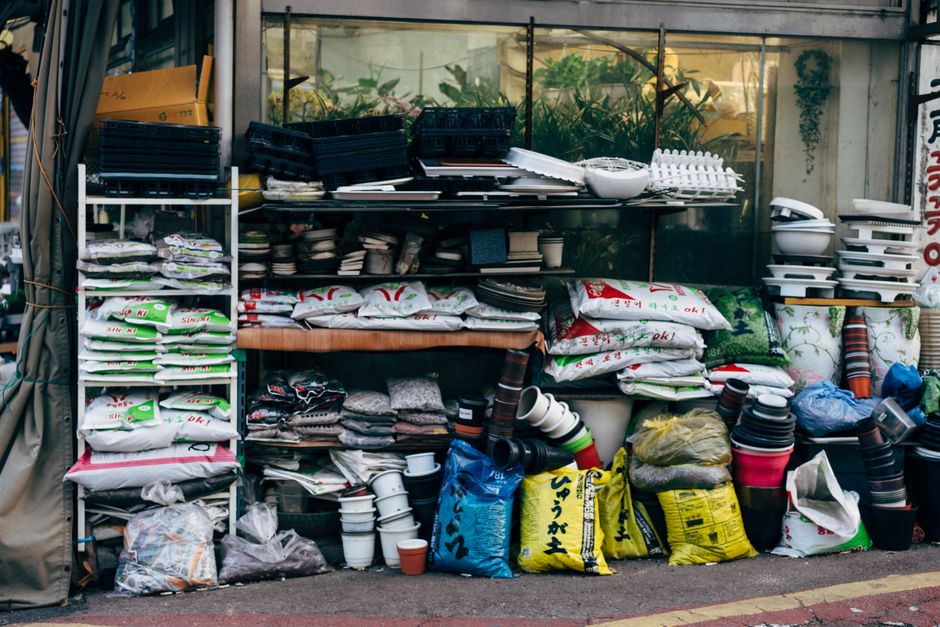
The Brutal Truth
Even if you follow every rule perfectly, you’ll still get confused by neighborhood-specific quirks. In Dunsan, some streets have different collection times or require you to put bags out only after 8 PM the night before pickup. Miss that window, and your trash sits there until next week. Also, expect old Korean ladies (ajummas) to inspect your bags and yell at you if you mess up. It’s not personal—it’s the local enforcement system. Just nod, apologize, and learn.
Conclusion
Trash in Korea isn’t just about cleaning up—it’s a cultural ritual. Yes, it’s annoying at first, but once you get the hang of it, you’ll feel like a local. Start with the basics, ask your neighbors, and don’t be afraid to make mistakes. You’ve got this, fellow expat. Now go crush that recycling.
태그 : 쓰레기 분리수거 방법, Daejeon Dunsan trash rules, foreigner recycling Korea, Korean garbage bags guide, food waste Korea, expat waste management tips
🛒 Korea Life Essential: Korean trash bag
One of the must-have items to make your life in Daejeon Dunsan, Others easier and more enjoyable!
| 🇰🇷 Coupang | Buy on Coupang |
| 🌍 AliExpress | Buy on AliExpress |

This post contains affiliate links. We may earn a small commission at no extra cost to you.