I remember my first month in Gwangalli. I was staring at my bank account, wondering how I blew through my budget on a single round of grilled eel and soju at one of those fancy beachfront spots. The view was killer, but my wallet was in critical condition. That’s when I realized: Gwangalli isn’t just about Instagram-worthy sunsets. It’s a game of survival. You need to know where the locals eat, not where the tourists pose. Here’s how you eat well and live cheaply without leaving the Gwangalli neighborhood in shame.
Tip 1: Master the “Kimchi-jjigae Alley” and the Hidden Gopchang Joints
Forget the restaurants with English menus and pictures of raw fish on the main strip. Your best bet is the warren of alleys behind the Lotte Department Store and near the Gwangalli Station exit. Head to the “Kimchi-jjigae Alley” (just ask a taxi driver for “kimchi jjigae golmok”). You’ll find tiny, no-name joints with plastic chairs. A bubbling pot of kimchi-jjigae with pork belly will set you back around 7,000 won. For a real budget feast, find a *gopchang* (grilled intestines) place that’s packed with construction workers. A set for two is under 25,000 won and includes unlimited side dishes. Don’t be shy—point at what others are eating.
Tip 2: The “Banjang-nim” (Landlord) Hustle and the Gwangalli Homeplus Hack
Your biggest expense is rent. In Gwangalli, you can find a *won-room* (small studio) for 300,000-450,000 won a month, but the key is the *jeonse* deposit. Negotiate hard. Offer a 3-month upfront payment to knock down the deposit. For groceries, skip the trendy convenience stores. Walk 15 minutes to the massive Homeplus in Suyeong-gu. They have a discount section for near-expiry items (still perfectly good) and a bulk rice section. Also, learn the local market schedule: the Gwangalli Fish Market has a fire sale around 5 PM. You can get a whole mackerel for 2,000 won. Cook it yourself.
Tip 3: The “Sunsaeng-nim” (Teacher) Card for Transport and Coffee
If you’re a student or a teacher, your student ID or business card is a weapon. Many coffee shops near Kyungsung University (a 10-minute walk from Gwangalli) offer 20% off for students. Use the Busan Metro bus system—a single ride is 1,200 won. But the real hack is the “T-money” card with a 30-day pass. For 55,000 won, you get unlimited bus and subway rides within Busan. That’s a no-brainer. Skip the Starbucks—go to a local *dabang* (old-school tea house) for a 2,000 won coffee.
The Brutal Truth: You Will Be Tempted by the “View Tax” and it Will Bankrupt You
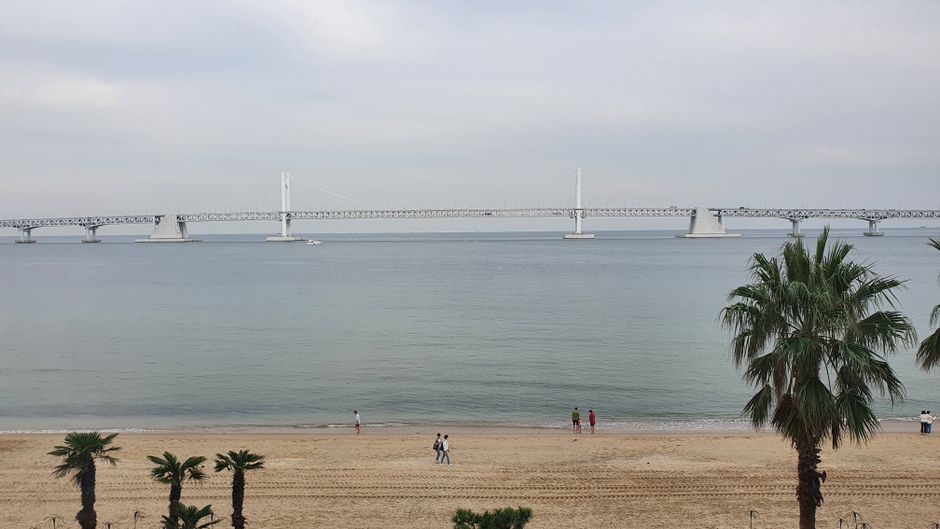
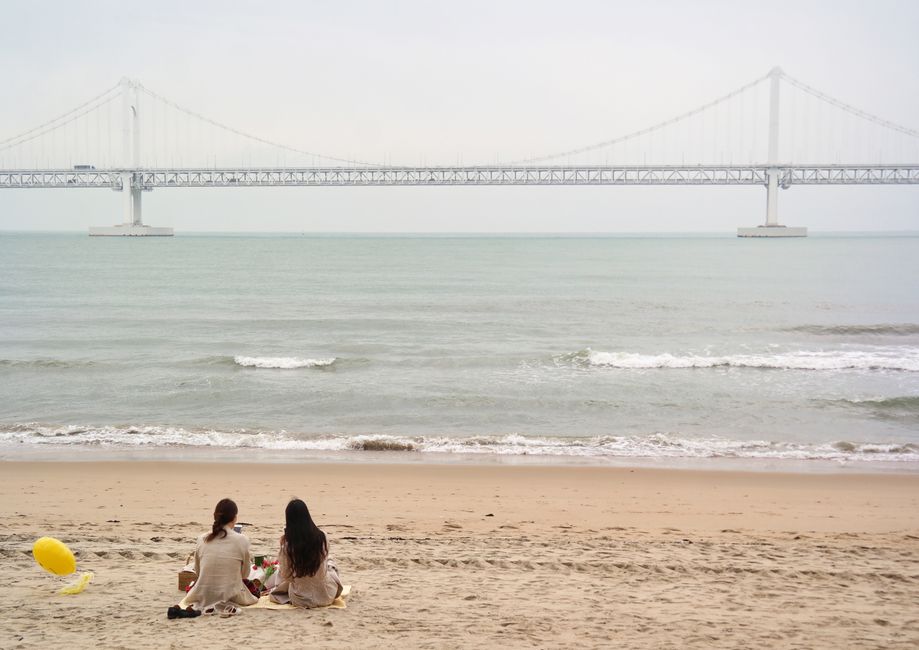
Here’s the harsh reality: The apartments and restaurants with a direct view of Gwangalli Bridge are a trap. They charge a 30-50% premium for that view. You will see your friends posting photos from those places. You will feel the pressure to go. Don’t. The food is often mediocre, and the prices are inflated for tourists. The best view of the bridge is free—from the public beach steps at sunset. Your bank account will thank you.
You’ve got this. Gwangalli is a beautiful beast, but you can tame it without selling a kidney. Eat well, save hard, and remember: the best things in life are the free sunset over the bridge and a 7,000 won pot of kimchi-jjigae. Now go find that alley.
#Gwangalli #Busan #ExpatLife #BudgetLiving #CheapEats #SouthKorea #KoreaExpats #LivingInKorea #BusanExpats #GwangalliBeach #KoreaTravel #BudgetTravel #ExpatsInKorea #KoreanFood #KimchiJjigae #KoreanStreetFood #MoneySavingTips #FrugalLiving #BusanLife #KoreaDiaries #InternationalStudents #MigrantWorkers #KoreaVisa #LivingAbroad #AsianTravel #BudgetFriendly #KoreaTips #LocalEats #HiddenGems #BusanBeach