I remember my first week in Sinchon, fresh off the plane with two suitcases and a head full of K-drama dreams. I walked into a real estate office near the university, confident I’d find a cozy one-room. Two hours later, I was drowning in terms like ‘전세’ and ‘보증금’, wondering if I’d accidentally signed up for a pyramid scheme. After a decade here, I can tell you: apartment hunting in Korea is a brutal but learnable game. Here’s your no-nonsense guide to Sinchon.
Tip 1: Know Your Deposit—Jeonse vs Wolse (전세 월세 차이)
This is the biggest hurdle. ‘Jeonse’ (전세) means you pay a massive lump-sum deposit (typically 50-80% of the property value) and pay zero monthly rent. Sounds great, but for a foreigner in Sinchon, that deposit can be ₩50-100 million ($40k-80k). ‘Wolse’ (월세) is monthly rent with a smaller deposit (₩5-20 million). For most expats, especially students, wolse is the way. The key difference? Jeonse returns your full deposit after the contract ends; wolse returns yours minus deductions. In Sinchon, landlords are used to foreigners, so negotiate deposit amounts—many will accept ₩5 million for a ₩500k/month room.
Tip 2: Use a Real Estate Agent Who Speaks Your Language
Sinchon is packed with 부동산 (real estate offices) near Yonsei and Ewha Universities. Avoid the ones that only display Korean signs. Look for offices with English or Chinese posters—some even have staff who studied abroad. They’ll know which buildings accept foreign ID cards (Alien Registration Card) and which require a Korean guarantor. Pro tip: If you’re on a D-2 student visa, some landlords waive the guarantor requirement if you show proof of enrollment. Don’t be shy about asking for a ‘계약서’ (contract) in English—legal translations are available.
Tip 3: Inspect the Room and Utilities Before Signing
Korean apartments, especially older ones in Sinchon, can be moldy nightmares. Visit the room at least twice—once during the day (check natural light and street noise) and once at night (check heating and water pressure). Ask about ‘관리비’ (maintenance fee)—this often includes water, trash, and building upkeep, but not gas or electricity. In winter, floor heating (온돌) costs can spike to ₩200k/month. Also, check for ‘벌레’ (bugs)—cockroaches are common in basement rooms. Bring a flashlight and look under the sink and behind the fridge.
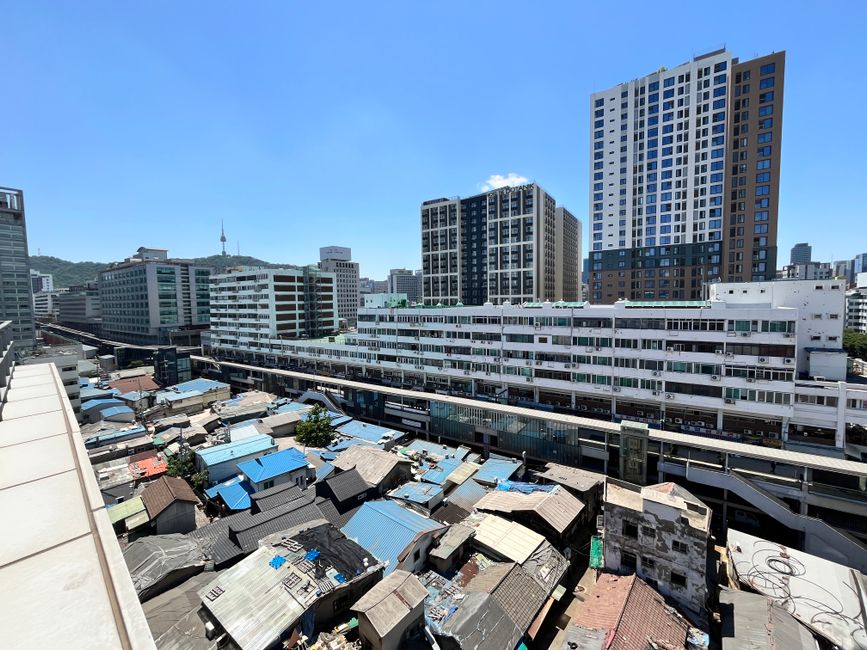
The Brutal Truth
Many Sinchon landlords will demand a Korean guarantor for wolse contracts, even if you have a stable job. If you don’t have a Korean friend or colleague to vouch for you, you’ll either need to pay a higher deposit (₩10-15 million) or use a deposit insurance service (전세보증보험) which adds hassle and cost. This isn’t discrimination—it’s risk management. But it means you must build a network or bring cash. Expect to spend 2-4 weeks hunting for a decent place.
Conclusion
Sinchon is a vibrant area with endless food and nightlife, but finding an apartment here is a test of patience. Don’t panic—every foreigner I know has survived. Start early, bring a Korean-speaking friend, and remember: the perfect place doesn’t exist, but a good enough one does. You’ve got this.
태그 : 전세 월세 차이, Sinchon apartment for foreigners, Korean rental deposit tips, expat housing Seoul, 부동산 계약 English guide
🛒 Korea Life Essential: portable air purifier, kimchi fridge
One of the must-have items to make your life in Sinchon, Seoul easier and more enjoyable!
| 🇰🇷 Coupang | Buy on Coupang |
| 🌍 AliExpress | Buy on AliExpress |
This post contains affiliate links. We may earn a small commission at no extra cost to you.