I remember my first month in Sinchon, staring at a `부동산` (real estate) sign with my phone’s translator app glitching out. I had zero clue what `전세` meant, and the agent kept saying “five million down” while pointing at a tiny studio that smelled like old kimchi. I walked out, demoralized, and nearly signed a one-year contract at a goshiwon that charged me for toilet paper. Six years later, I’ve moved four times in this neighborhood, and I can now read a lease contract faster than I read a K-drama subtitle. Here’s everything I wish I knew before I started.
1. Understand the ‘Wolse’ Trap: Your Deposit Is Your Leverage (Not Your Rent)
In Sinchon, most expats (and broke uni students) go for `월세` (monthly rent with a deposit). The Korean system is weird: the bigger your deposit (`보증금`), the lower your monthly rent. A standard studio in Sinchon might ask for ₩10 million deposit / ₩600k rent, but if you can scrape together ₩20 million, that rent often drops to ₩450k. Don’t just accept the first number. Negotiate. Tell the agent, “I can do ₩15 million, but rent must be ₩500k.” If they hesitate, walk away. There are dozens of officetels behind Yonsei University, and September is the dead season—landlords get desperate.
2. The ‘Jeonse’ Gamble: Don’t Even Think About It Unless You Have Liquid Cash
`전세` (lump-sum deposit, no monthly rent) is the dream: you pay 50-70% of the property value upfront, live rent-free, and get every penny back at the end. But in Sinchon, a 33m² (10 pyeong) studio will still set you back ₩100 million+. If you have that kind of cash sitting in a foreign bank account, you’re better off just buying a small place in Gyeonggi-do. The brutal reality? If your landlord goes bankrupt or the building gets condemned (rare but happens in old Sinchon villas), you are dead last in line to get your money back from the court. Unless you can afford a lawyer and a year of waiting, stick to `wolse`.
3. The Contract Blackout: What the Agent Won’t Tell You (But Must Be Written)
You cannot legally sign a Korean apartment lease without your Alien Registration Card (ARC). And the contract must be dated *before* you hand over any deposit. Here’s the checklist that saves my ass every time:
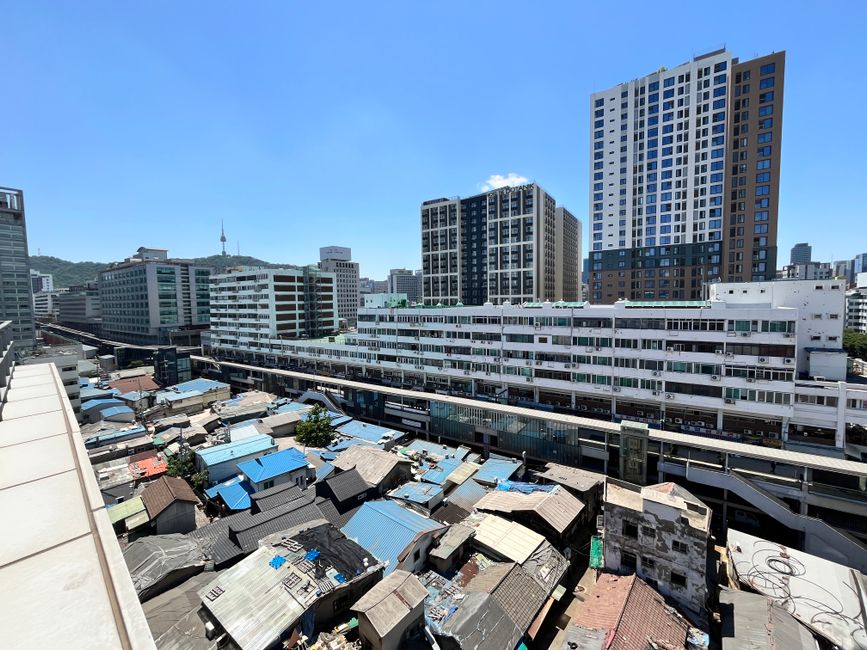
The Brutal Truth
The real estate agents in Sinchon are not your friends. They are paid by the landlord (usually 0.3% of the deposit) and will happily show you a “sunny” room that faces a brick wall 2 meters away. Also, the Korean word for “fully furnished” (`풀옵션`) is a lie—it means they gave you a microwave from 1998 and a bed frame with missing slats. You will fight for your deposit return over a scratched floor, and if you didn’t photograph every scuff on move-in day, you will lose.
Conclusion
Look, apartment hunting in Korea is a rite of passage—like eating live octopus or surviving a midnight subway ride. You *will* feel overwhelmed, but you’re smarter than the guy who signed the goshiwon contract. Use the `직방` or `다방` apps to check market prices before you even visit, write down every promise the agent makes, and never, ever hand over cash without a signed receipt. Sinchon is a vibrant, chaotic, beautiful place to live—once you’ve got a door lock that actually works. You’ve got this. Now go negotiate like a local.
🛒 Korea Life Essential: portable luggage scale, korean door lock, mini dehumidifier
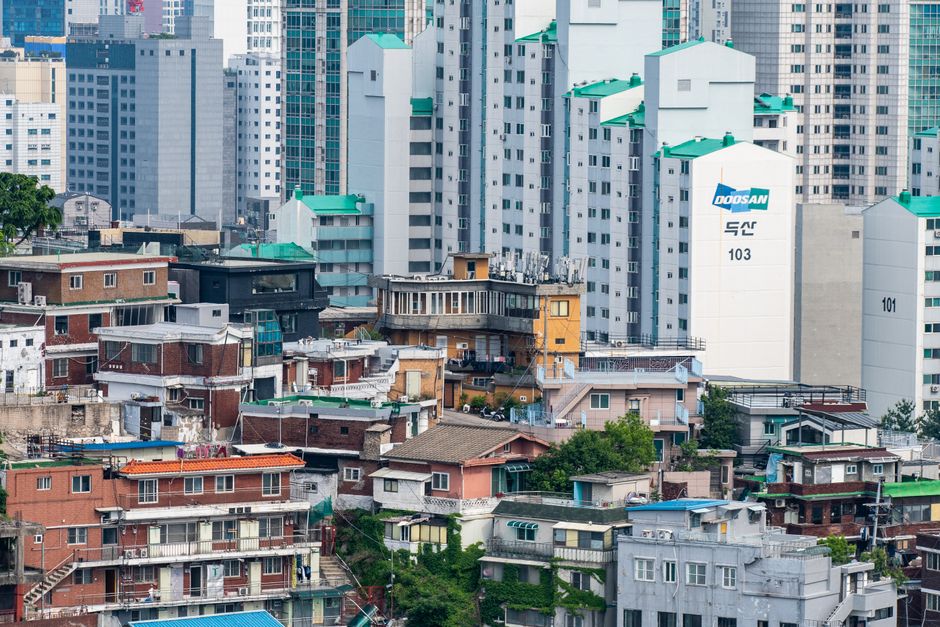
One of the must-have items to make your life in Sinchon, Seoul easier and more enjoyable!
| 🇰🇷 Coupang | Buy on Coupang |
| 🌍 AliExpress | Buy on AliExpress |
This post contains affiliate links. We may earn a small commission at no extra cost to you.