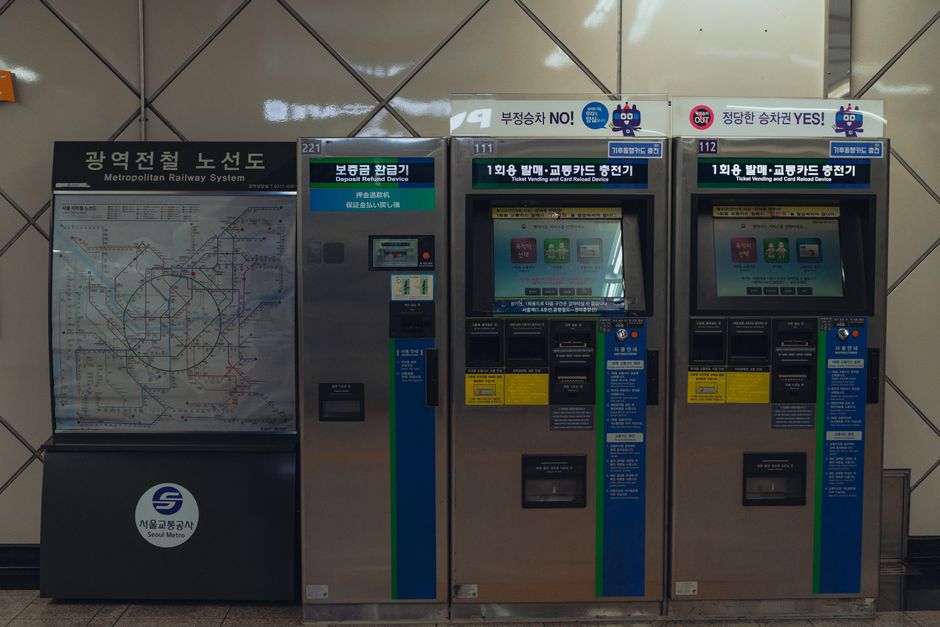
I still remember my first week in Hongdae. I was fresh off the plane, clutching a crumpled paper map, and stood like a deer in headlights at the entrance of Hongdae Station. The subway map was a giant, colorful spaghetti bowl of lines—all in Korean. I missed my stop twice, walked the wrong direction for 20 minutes, and ended up in Sinchon instead of Sangsu. I swore right then I’d figure out how to navigate this beast, or go broke on taxis. Here’s what I learned the hard way, so you don’t have to.
Master the English Subway Map (지하철 노선도 영어)
First, stop panicking. Every station in Seoul has an English version of the subway map—just look for the small “English” tab on the digital kiosks or grab a free pocket map at the information booth. But here’s the trick: memorize the line colors and numbers. Line 2 is green and loops through Hongdae, Sinchon, and Gangnam—it’s your lifeline. The Korean keyword ‘지하철 노선도 영어’ will bring up official PDFs online. Download one on your phone before you leave home. Paper maps get wet in rain and crumple in bags, but a screenshot saves your ass every time.
Use Apps and T-money Like a Pro
Don’t rely on your brain alone. Download Naver Map or KakaoMap—they have full English support and show real-time train arrivals. Google Maps is useless for transit here, so delete it. Tap your T-money card (get one at any convenience store) on the reader before entering and exiting—forgetting to tap out charges you the max fare. Pro tip: If you’re lost, stand still and pull up the map. Koreans will often approach you to help if you look confused longer than 10 seconds. It’s weird but true.
Know Your Exits and Transfers
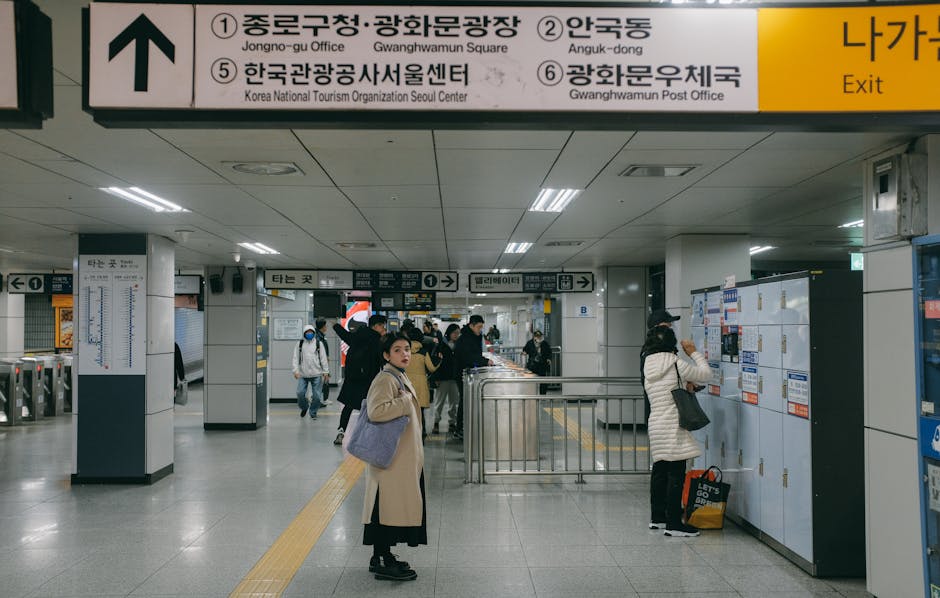
Hongdae Station has nine exits, and they spit you out onto different streets. Exit 1 leads to the main shopping area and clubs; Exit 9 is closer to the university. Memorize your exit number before you get on the train. For transfers, check the overhead signs—they list connecting lines in English and Korean. If you’re switching from Line 2 to Line 6 at Hapjeong, follow the blue signs. Don’t walk against the flow of locals; it’s a surefire way to get elbowed. And if you’re carrying luggage, use the elevators—staircases are for the fearless.
The Brutal Truth: The subway is reliable, but it’s packed during rush hour (7:30-9 AM and 6-7 PM). You’ll be pressed against strangers, no personal space, and some ajummas will push past you without a word. Get over it or avoid peak times. It’s just part of life here.
You’ve got this. Navigating Hongdae’s subway is a rite of passage, and after a month, you’ll be weaving through crowds like a local. Keep your map handy, stay calm, and remember: every missed stop is a story for later. Welcome to Seoul—now go explore.
태그 : 지하철 노선도 영어, Hongdae subway tips, Seoul public transport for foreigners, expat Korea navigation, T-money card guide, Hongdae station exits
🛒 Korea Life Essential: T-money card
One of the must-have items to make your life in Hongdae, Mapo, Seoul easier and more enjoyable!
| 🇰🇷 Coupang | Buy on Coupang |
| 🌍 AliExpress | Buy on AliExpress |
This post contains affiliate links. We may earn a small commission at no extra cost to you.