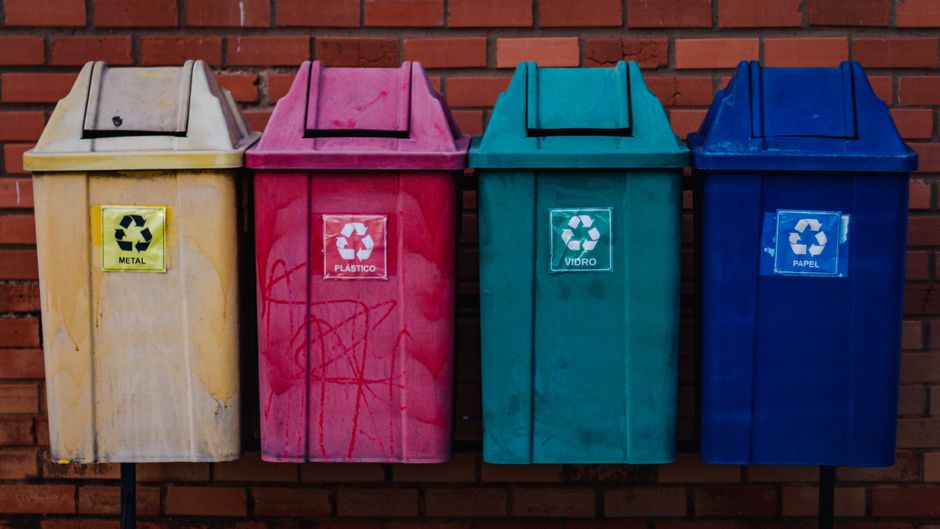
I still remember my first week in Suwon, standing in the hallway of my officetel with a dripping bag of chicken bones and kimchi remnants, staring at six different colored bins like they were a final exam I hadn’t studied for. My neighbor—a sweet grandmother who barely spoke a word of English—kept pointing at my bag and shaking her head with genuine concern. I had no idea that throwing away a simple dinner could feel like navigating a legal minefield. If you’re reading this, you’ve probably been there too. Let me save you the shame, the fines, and the passive-aggressive notes taped to your door.
The Golden Rule: Buy the Official Gyeonggi-do Trash Bags (and Stop Being Cheap)
In Suwon, you cannot just throw your garbage into any old plastic bag. The city operates on a “pay-as-you-throw” system, which means you must purchase designated trash bags from your local convenience store or supermarket. For general waste (일반쓰레기), look for the white or yellow bags labeled with the Suwon city logo. For food waste (음식물 쓰레기), you’ll need the green bags or, if your building has a machine, a card to use the automated disposal system. The bags cost anywhere from 500 won for a small one to a few thousand won for larger sizes. Yes, it’s annoying. No, you cannot skip it. The trash collectors are trained to spot illegal bags, and they will leave your garbage on the street with a lovely sticker explaining your crime. I’ve seen it happen to a foreign student in Yeongtong—he ended up paying a 100,000 won fine and had to attend a “waste education session.” Not worth it.
Sorting Your Food Waste: The 음식물 쓰레기 배출 방법 You Need to Master
This is where most foreigners lose their minds. Korea has one of the strictest food waste separation systems in the world, and Suwon is no exception. Here’s the deal: you must separate all food scraps from your regular trash. This includes fruit peels, vegetable trimmings, leftovers, eggshells, and even bones from meat. However, not all food waste goes into the same bin. In many Suwon apartments, you’ll find an RFID machine that weighs your food waste and charges you automatically. If you don’t have that, you’ll use the green food waste bags. The critical mistake I see newbies make? Throwing liquids like soup or oil into the food waste bin. That’s a big no-no. Drain your liquids first, then bag the solids. Also, remove any packaging, plastic wrap, or toothpicks from your food waste. The ajumma at the collection point will not hesitate to dump your entire bag out and make you re-sort it in front of everyone. Trust me, I’ve witnessed the walk of shame.
Recycling Like a Pro: The Four-Bin System Explained
Korean recycling isn’t just about paper and plastic. You need to separate your recyclables into distinct categories: paper, plastic, glass, and cans. In Suwon, you’ll often find separate bins for each, and yes, you need to rinse everything. A greasy pizza box? Not recyclable. A plastic bottle with milk residue? Rinse it and remove the cap. Styrofoam is recyclable, but only if it’s clean. Vinyl and bubble wrap go in the general waste bin. And here’s a tip that took me years to learn: you can often find free recycling drop-off points at your local community center (주민센터) or large apartment complexes. They accept everything from old electronics to batteries to light bulbs. Don’t just toss that broken hair dryer in the trash—find the right bin or face the consequences.
The Brutal Truth: Your Building’s Security Camera Is Watching You
Here’s the harsh reality that no one tells you: many Suwon apartment buildings and officetels have CCTV cameras pointed directly at the trash disposal area. The building manager reviews the footage regularly, and if they catch you dumping illegal trash, they will report you to the district office. Fines for illegal dumping in Gyeonggi-do can range from 100,000 won to 1,000,000 won depending on the severity and repeat offenses. And yes, they will find you. Your face is on camera, and your building knows which unit you live in. I’ve heard horror stories of foreigners being evicted for repeated violations. The days of “I didn’t know” are over. Ignorance is not a legal defense in Korea, especially when it comes to waste management. Learn the rules, follow them, and save yourself the headache.
Conclusion: You’ve Got This (Even If It Feels Impossible)
Look, I know this all sounds overwhelming. I’ve been there—crying over a bag of rotting vegetables because I couldn’t figure out which bin they belonged in. But here’s the thing: once you get the hang of it, it becomes second nature. You’ll start to feel a weird sense of pride when you correctly sort your trash. You’ll bond with your neighbors over the shared struggle of food waste disposal. And you’ll never again stand in a hallway with a dripping bag of chicken bones, wondering what to do. Suwon is a wonderful city, and learning its waste rules is just part of becoming a true local. You’ve got this. Now go buy those official bags and make your grandmother-neighbor proud.
태그 : 음식물 쓰레기 배출 방법, Korean trash disposal rules, Suwon expat guide, Gyeonggi-do recycling, food waste separation Korea, Korean trash bags, illegal dumping fines Korea
🛒 Korea Life Essential: Korean food waste bin
One of the must-have items to make your life in Suwon, Gyeonggi easier and more enjoyable!
| 🇰🇷 Coupang | Buy on Coupang |
| 🌍 AliExpress | Buy on AliExpress |
This post contains affiliate links. We may earn a small commission at no extra cost to you.