I remember my first week on Jeju Island, fresh off the plane from Seoul, convinced I’d found a paradise apartment near Hallasan. The real estate agent smiled, handed me a contract in Korean, and casually mentioned the deposit was “only” ₩50 million for a Jeonse deal. I nearly choked on my tangerine juice. That’s when I learned that Korean apartment hunting isn’t just about finding a roof—it’s a high-stakes financial game, especially on Jeju where the rules feel different.
Tip 1: Understand the Jeju Twist on Jeonse and Wolse
Jeonse (lump-sum deposit) is rare on Jeju compared to Seoul. Most landlords here want Wolse (monthly rent with a smaller deposit). Expect deposits of ₩10-30 million for a decent one-bedroom, with monthly rent around ₩500,000-₩800,000. Don’t waste time hunting for pure Jeonse unless you have ₩100 million+ cash. Instead, negotiate a “half-Jeonse” (반전세)—you pay a bigger deposit (₩30-50 million) for lower monthly rent (₩200,000-₩400,000). It’s the sweet spot for expats.
Tip 2: Use Local Real Estate Apps, Not Just Naver
Naver 부동산 is great for Seoul, but on Jeju, it’s often outdated. Download “직방” (Zigbang) or “다방” (Dabang) and filter by “제주시” or “서귀포시.” Also, join Facebook groups like “Jeju Expat Housing” or “제주 외국인 커뮤니티.” Many landlords outside the main cities (like Seogwipo or Hallim) don’t list online—they rely on word-of-mouth. Visit a real estate office (부동산) in person; the agents there know the local market and can show you hidden gems.
Tip 3: Know Your Rights for Foreigners as a Tenant
Your visa status matters. If you’re on an E-2 (teaching) or F-series visa, you can legally sign a contract. But if you’re on a short-term C-3 or D-2 student visa, landlords may demand higher deposits or require a Korean guarantor. Always ask for a “확정일자” (fixed date) from the local community center to protect your deposit. And never pay the deposit in cash—use a bank transfer with a clear memo. On Jeju, some landlords try to avoid taxes, so insist on a registered contract (전월세계약서) to avoid scams.
The Brutal Truth
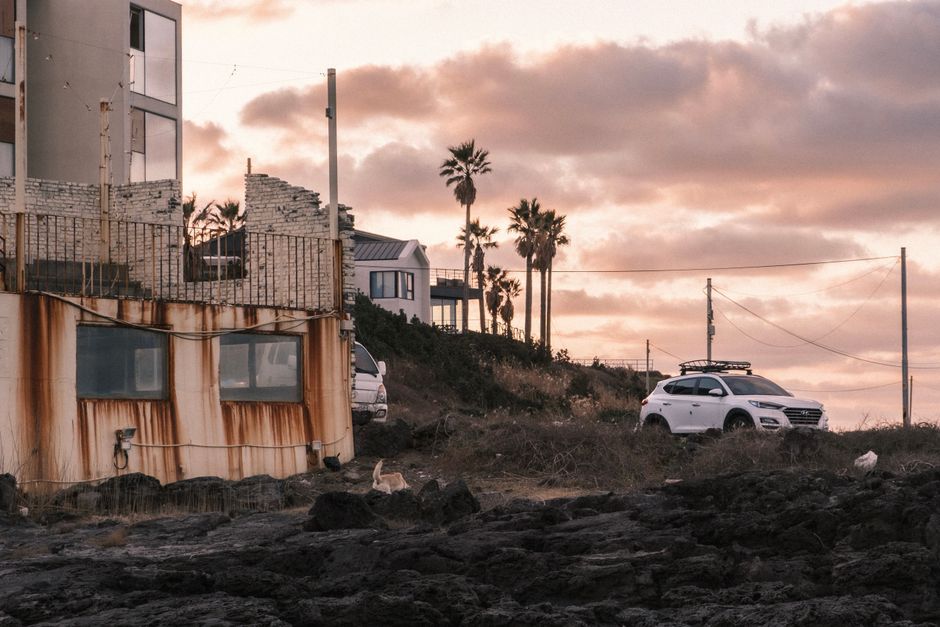
Jeju’s rental market is seasonal and overpriced for what you get. From June to August, prices skyrocket due to tourists, and many landlords prefer short-term vacation rentals over long-term leases. You’ll often find mold in older villas, especially during the monsoon season, and utilities (electricity, water) can cost double what you’d pay in Seoul. Don’t believe the “paradise” hype—hunt in October or November for the best deals.
Conclusion: Apartment hunting on Jeju is a marathon, not a sprint. You’ll face language barriers, quirky landlords, and a market that favors cash-rich locals. But with patience, a solid real estate app, and a willingness to negotiate, you can find a place that feels like home. Keep your deposit safe, and remember: every expat here has a horror story—yours just needs a happy ending.
태그 : Jeju Island apartment hunting for foreigners, Jeonse vs Wolse Jeju expat guide, Korean rental tips for Jeju Island, expat housing Jeju South Korea, Jeju real estate for foreigners
🛒 Korea Life Essential: Korea power adapter
One of the must-have items to make your life in Jeju Island, Others easier and more enjoyable!
| 🇰🇷 Coupang | Buy on Coupang |
| 🌍 AliExpress | Buy on AliExpress |
This post contains affiliate links. We may earn a small commission at no extra cost to you.