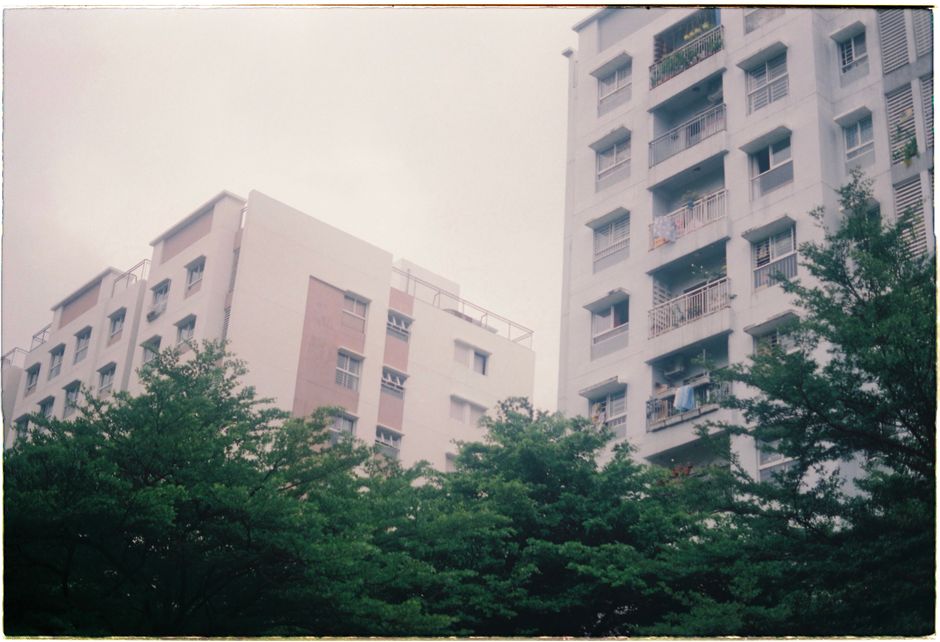
I remember my first apartment hunt in Daejeon. I was fresh off the plane, clutching a vague address from my university, and staring at a Korean real estate app like it was an alien artifact. Two weeks, three “contract fees,” and one very confused landlord later, I finally had a roof over my head. Let me save you that headache.
## Tip 1: Understand the Two Main Systems – Jeonse (전세) vs. Wolse (월세)
This is the biggest hurdle. Jeonse is a lump-sum deposit (often 50-80% of the property’s value) you give the landlord for a 2-year lease. You pay zero monthly rent. You get the deposit back when you move out. It’s a huge cash commitment, but it’s common for long-term expats on E-2 or F-visas. Wolse is the standard monthly rent system. You pay a smaller deposit (usually 5-10 million KRW) plus monthly rent. For most foreigners, especially students or short-term workers, Wolse is the practical starting point. Don’t let a *jeonse* deal scare you off—it’s a massive financial risk if you don’t have the cash.
## Tip 2: Use a “Foreigner-Friendly” Real Estate Agent (부동산)
In Daejeon Dunsan, not all agents speak English. Don’t just walk into any 부동산. Instead, search for agencies that advertise “Foreigner Service” or “English OK” on apps like Zigbang or Dabang. Even better: find a Korean friend or coworker to accompany you. The agent will try to show you the highest-commission units first. Be blunt: “I want a *wolse* in Dunsan, 2-bedroom, budget under 1.5 million KRW deposit, 600,000 KRW rent.” Stick to your budget. They can negotiate the deposit down by 10-20% if you push.
## Tip 3: The Contract – Read Every Single Clause (Especially the Fine Print)
Korean contracts are in Korean. Get a translation or use a template. Look for key clauses: the exact move-in date, the deposit return date (usually 1-2 weeks after you move out), and the “renewal clause” (갱신청구권). You have the right to renew for another 2 years at the same rent. Also, check for hidden fees: the “contract fee” (계약금, usually 10% of deposit) must be paid on the spot. Don’t hand over cash without a receipt. If the landlord doesn’t return your deposit on time, you can take them to court—but that’s a nightmare. Always get a deposit insurance (전세보증보험) if possible.
The Brutal Truth: Your deposit is not a security deposit in the Western sense. In Korea, the deposit is an interest-free loan to the landlord. If they go bankrupt or run away, you could lose it all. This is why you *must* use a reputable agent and check the building’s “debt status” (건물 등기부등본). Don’t trust a smile.
Conclusion: Daejeon Dunsan is a great area—good transport, lots of restaurants, and a solid expat community. But finding an apartment here is a marathon, not a sprint. Start hunting at least 4 weeks before your move. Be patient, be skeptical, and always get everything in writing. You got this.
태그 : 한국 아파트 구하는 법, Daejeon Dunsan apartment rent, Jeonse vs Wolse for foreigners, expat housing Korea, Korean real estate agent tips
🛒 Korea Life Essential: Korean apartment contract template
One of the must-have items to make your life in Daejeon Dunsan, Others easier and more enjoyable!

| 🇰🇷 Coupang | Buy on Coupang |
| 🌍 AliExpress | Buy on AliExpress |
This post contains affiliate links. We may earn a small commission at no extra cost to you.