I remember standing in front of a real estate office (Budongsan) in Seohyeon, staring at a window plastered with Korean text I couldn’t decipher, feeling completely illiterate. I had just landed a job in Pangyo, and I thought finding a place in Bundang would be a breeze. I walked in, confidently asked for a “cheap studio,” and the agent looked at me like I had three heads. I didn’t know the difference between a “one-room” and an “officetel,” I didn’t understand why I had to pay a massive deposit, and I certainly didn’t know that my visa status would dictate whether I could even sign a lease. If you are in that same panicked boat right now, take a breath. Here is the no-nonsense guide to navigating the Bundang housing market.
1. Understand the “Key Money” Game (Jeonse vs. Wolse)
In Bundang, you aren’t just paying rent; you are playing a game of capital. You need to understand the two main systems immediately.
Wolse (Monthly Rent): This is likely what you are looking for. You pay a deposit (usually 5 million to 10 million KRW) and then pay monthly rent. In Bundang, expect to pay anywhere from 600,000 to 1,000,000 KRW for a decent single room (One-Room) or Officetel, not including maintenance fees.
Jeonse (Key Money Deposit): This is the unique Korean system where you loan the landlord a huge lump sum (often 100 million to 300 million KRW or more) and pay zero monthly rent. The landlord invests your money and keeps the interest. As a foreigner, getting a Jeonse loan from a bank is incredibly difficult unless you have a stellar credit history in Korea and a high-income job. Do not even look at Jeonse listings unless you have that cash liquid or a very specific visa (like an F-4 or F-5) that banks trust.
2. Location Strategy: Bundang is Not Just “One Place”
Bundang is a massive, wealthy district. If you just search “Bundang,” you will get overwhelmed.
Seohyeon and Sunae: These are the downtown areas. They are vibrant, full of cafes, and right on the Shinbundang Line. The downside? It is expensive and loud. Studios here are small and pricey.
Ori and Jukjeon: These stations are further out but still very accessible. Jukjeon is a student hub (Dankook University), so you will find cheaper options and more “One-Rooms” (외국인 원룸 구하기 is a popular search for a reason here). Ori is quieter and great for families, but studios are rarer.
Jeongja: The political hub. It is clean, has a great park, and is very residential. It is slightly more affordable than Seohyeon but still very premium.
3. The Visa and Contract Trap
This is where most foreigners get burned. Your visa type dictates your lease.
The E-2 (English Teacher) Visa: You are technically supposed to reside at the address registered by your employer. If you want to move, you need a “Letter of Release” or permission from your employer/immigration. Many landlords in Bundang will refuse to rent to an E-2 holder without a Korean guarantor because they fear you will flee the country without paying.
The D-2 (Student) Visa: You can rent, but you will almost certainly need a Korean guarantor (Bojeungin) or a hefty deposit. If you are a student, look for “Share Houses” (Swipe) or “Gosiwons” (tiny cubicle-like rooms) which require less paperwork.
The F-Visa (Resident): You are the golden child. Landlords love you. You can sign contracts without a guarantor and often negotiate lower deposits.
Always check the “Deunggi-bu” (Registry): Before you hand over a single Won, go to the local district office (Ju-min-center) and pull the building’s registry. If the building has a mortgage (Geun-jeo) larger than the value of the building, your deposit is at risk. If the landlord goes bankrupt, the bank gets paid first, and you get nothing.
The Brutal Truth
The harsh reality of renting in Bundang is that you are a liability until you prove otherwise. The days of walking into a real estate office and being handed keys as a friendly foreigner are mostly over. Landlords have been burned by foreigners who trash apartments and flee the country, so they will demand higher deposits, require a Korean guarantor, or outright reject you. The “cheap” apartments you see online (5 million deposit, 400k rent) are usually in basements with no windows or are “officetels” that charge hidden fees for everything from water to garbage disposal. You will pay a premium for convenience and safety, and as a foreigner, you will often pay a “foreigner tax” in the form of a higher deposit because you lack a Korean credit history. Accept this, budget accordingly, and don’t take rejections personally.
Conclusion
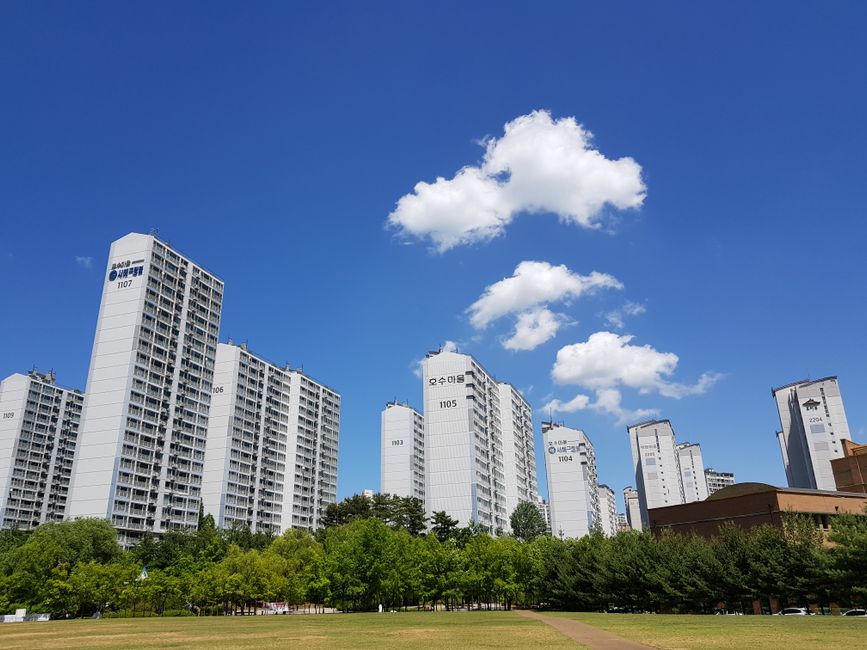
Finding a home in Bundang is a marathon, not a sprint. It is frustrating, the paperwork is tedious, and the language barrier makes it feel impossible. But once you secure that lease—whether it’s a tiny one-room near Jukjeon Station or a spacious officetel in Jeongja—you will realize why people pay the premium to live here. The clean streets, the parks, and the safety are worth the hassle. Take your time, use a translation app, hire a Korean friend to help if you can, and don’t settle for a moldy basement just because you are desperate. You’ve got this.
태그 : 외국인 원룸 구하기, Korean apartment hunting Bundang, Jeonse vs Wolse Korea, Bundang real estate foreigner, Korean rental deposit guide, Gyeonggi do housing expat, Korean lease contract tips
🛒 Korea Life Essential: Digital door lock, Voltage converter Korea
One of the must-have items to make your life in Bundang, Gyeonggi easier and more enjoyable!
| 🇰🇷 Coupang | Buy on Coupang |
| 🌍 AliExpress | Buy on AliExpress |
This post contains affiliate links. We may earn a small commission at no extra cost to you.
