I’ll never forget my first week in Sinchon. I was so proud of myself for figuring out the subway, only to have my sweet, 60-year-old landlady chase me down the alley, waving a half-empty bag of ramyun containers. She was screaming something about “jongnyangje bongtu” and pointing at my garbage like I’d committed a war crime. I stood there, mortified, holding a banana peel. That’s when I learned that in Korea, throwing away trash is a martial art.
## Tip 1: Buy the Official Bags – No, Your Plastic Bag from Home Won’t Cut It
In Sinchon, you *must* use the official, government-issued yellow trash bags for general waste. You can’t just use any old grocery bag. These are sold at local convenience stores (GS25, CU, 7-Eleven) and some supermarkets. Ask for “jongnyangje bongtu.” The size you need depends on how much trash you produce—common sizes are 10L, 20L, and 50L. If you try to sneak in a regular bag, your trash won’t be collected, and your neighbors will know exactly who left that mystery bag by the dumpster. They *will* report you.
## Tip 2: Food Waste Is a Separate Religion (and You Need a Dedicated Bin)
Food waste has its own special system. You can’t mix it with general trash. In Sinchon, you’ll likely have a small, green food waste bin (음식물쓰레기통) in your building’s designated area. You need to buy special biodegradable bags for food waste, or if your building uses a RFID card system, you tap your card and the machine weighs your waste. Be careful: things like meat bones, shellfish, and fruit pits are *not* food waste—they go in the general trash. And never pour liquid food waste down the sink. You’ll clog the pipes and your landlord will send you a bill that hurts more than a fine.
## Tip 3: Recycling Is a Sorting Battle – Know Your Materials
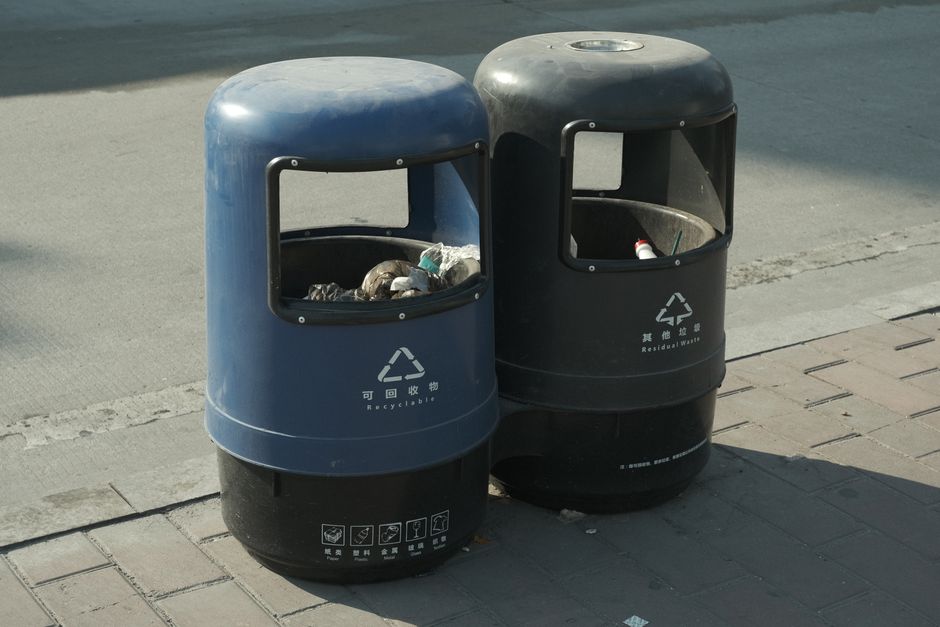
Recycling in Sinchon is not a “dump it all in one bin” situation. You must separate paper, plastic, glass, metal, and Styrofoam. Even worse, plastic bottles need to have their labels removed, and they must be crushed. Cardboard boxes must be flattened and tied with string. If you put a greasy pizza box in the paper recycling, your neighbors might leave a passive-aggressive note (in Hangul) on your door. My advice: keep a few separate boxes in your tiny apartment. It’s annoying, but it’s cheaper than the 100,000 won fine for improper disposal.
The Brutal Truth:
You will be judged by your trash. The Korean waste system relies heavily on social pressure. If you mess up, the elderly ajummas in your building *will* know, and they *will* make your life uncomfortable. There is no anonymous trash dumping. You are being watched.
Conclusion:
Look, I get it—this system feels like a bureaucratic nightmare when you’re just trying to survive Sinchon’s cheap soju and late-night tteokbokki. But once you learn the rhythm, it’s actually efficient. You’ll feel like a local the first time you successfully crush a plastic bottle and toss it into the right bin without a second thought. You’ve got this. Now go buy those yellow bags.
태그 : Korean trash disposal rules, Sinchon Seoul waste guide, expat living in Sinchon, how to dispose of food waste Korea, official garbage bags Korea, recycling in Seoul apartment, Korean waste separation tips
🛒 Korea Life Essential: trash can small Korea
One of the must-have items to make your life in Sinchon, Seoul easier and more enjoyable!

| 🇰🇷 Coupang | Buy on Coupang |
| 🌍 AliExpress | Buy on AliExpress |
This post contains affiliate links. We may earn a small commission at no extra cost to you.