I remember my first week in Daejeon Dunsan. Standing at a bus stop, staring at a route map written entirely in Hangul, sweat dripping down my back in the humid July heat. The bus came, the doors opened, and I froze—no idea where it was going. A kind ajumma grabbed my arm and pulled me on, shouting “어서요!” (Quickly!). That’s when I learned: Korean public transport works like a charm, but only if you know the tricks. Here’s what no one tells you.
Tip 1: Master the Subway – Use the English Map (지하철 노선도 영어)
Daejeon’s subway system is small but efficient, with just one main line (Line 1) running from Panam to Banseok. The key is to get the English version of the subway map (지하철 노선도 영어). You can download it from the Daejeon Metro official app or grab a paper copy at major stations like Daejeon Station and Government Complex Daejeon. Each station has a unique number (e.g., Dunsan is #112). Memorize your station number and the direction (e.g., “toward Banseok” or “toward Panam”). This saves you from misreading Hangul station names. Pro tip: Google Maps doesn’t work well here; use Naver Map or KakaoMap in English mode for real-time routes.
Tip 2: Ride the Buses Like a Local – Color-Coded Routes
Buses in Daejeon Dunsan are your best friend for short hops. The system is color-coded: Blue (main arteries), Green (local feeder routes), Red (express to outskirts), and Yellow (Dunsan-specific circulators). Download the “BIMS” app (Bus Information Management System) in English to see live bus locations. When boarding, tap your T-money card on the reader near the driver—don’t forget to tap off when you exit (especially for longer routes, or you’ll get overcharged). Always stand on the right side of the escalator and let people off before getting on. In Dunsan, bus 601 is a lifeline connecting you to Daejeon Station and major shopping areas.
Tip 3: Use Transfer Discounts – Save Money Without Thinking
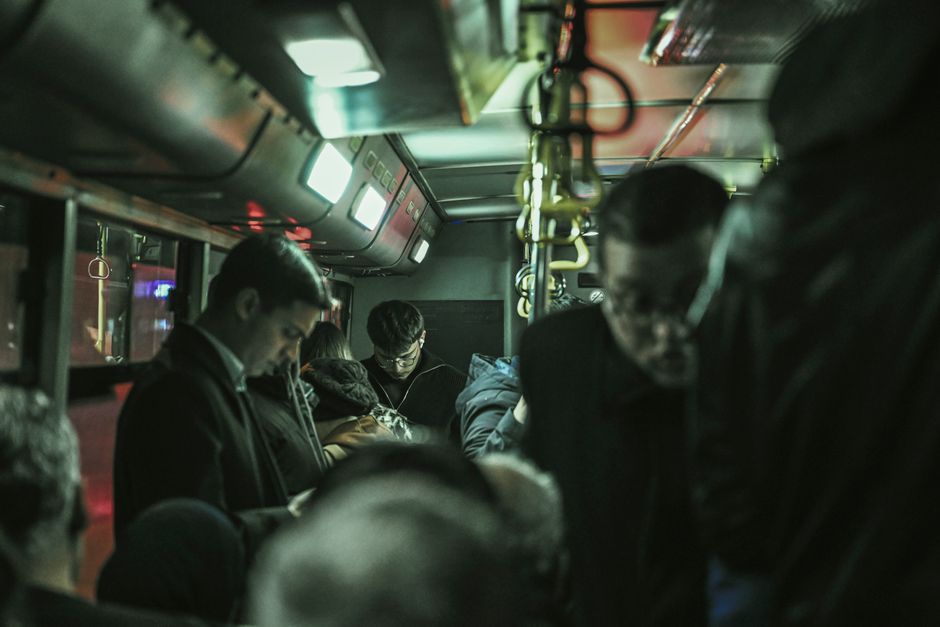
Korea’s integrated transport system gives you free transfers between buses and subways for up to 30 minutes (or 60 minutes with a long-distance bus). You don’t need to do anything special—just tap your T-money card when you get on and off each vehicle. One journey might be: bus from Dunsan to Government Complex, then subway from there to Daejeon Station—total cost: around 1,300 won (about $1). This is a game-changer for daily commutes. Always keep your card topped up; you can reload at any convenience store (GS25, CU, 7-Eleven) or subway station machine.
The Brutal Truth
English signage is getting better, but it’s not perfect. Bus stop names are often in Hangul only, and some older subway station displays don’t show English. If you miss your stop or get on the wrong bus, you’re stuck asking strangers for help—and not everyone speaks English. Download Naver Map with offline maps before you head out, and keep a screenshot of your destination in Hangul. Accept that you’ll get lost at least once; it’s part of the experience.
Remember, every expat in Daejeon has been there. You’re not alone. The transport system here is a well-oiled machine once you crack the code. So grab your T-money card, open that English map (지하철 노선도 영어), and ride with confidence. You’ve got this.
태그 : 지하철 노선도 영어, Daejeon public transport tips, English bus map Korea, expat survival guide Korea, Korean transport apps, T-money card usage
🛒 Korea Life Essential: T-money card, portable charger
One of the must-have items to make your life in Daejeon Dunsan, Others easier and more enjoyable!
| 🇰🇷 Coupang | Buy on Coupang |
| 🌍 AliExpress | Buy on AliExpress |
This post contains affiliate links. We may earn a small commission at no extra cost to you.