I still remember the sweat dripping down my back during my first apartment hunt in Daegu. I had just arrived, armed with nothing but a tourist visa, a heavy suitcase, and a翻译 app that kept failing me. I walked into a real estate office near Dongseongro, smiling brightly, only to be met with a look of pure confusion—and then the dreaded words: “No foreigners.” It took me three weeks, two failed contracts, and a lot of wasted taxi fare to figure out how the system actually works here. Don’t make the same mistakes I did.
1. Decode the “Key Money” Before You Fall in Love
In Korea, you don’t just pay rent. You pay a massive deposit upfront. This is the biggest hurdle for us foreigners. Wolse (monthly rent) requires a deposit usually between 5 million to 10 million KRW (approx. $4,000–$8,000 USD), plus monthly rent. Jeonse is the “key money” system where you give the landlord a huge lump sum (often 50%–80% of the property value) and pay zero monthly rent for two years.
Here is the survival tip: As a foreigner without a Korean credit history, you will likely be pushed toward Wolse. If you want to attempt Jeonse, you must have a Korean guarantor or use a service like HUG (Housing and Urban Guarantee Corporation) to secure a deposit return guarantee. Do not hand over a single Won without checking the building’s registry (Deunggi-bu) to ensure the landlord isn’t already in debt. In Dongseongro, specifically, the older officetels are cheaper but have higher maintenance fees—always ask for the “Gwanri-bi” (management fee) breakdown before signing.
2. The Real Estate Agent (Gongin-junggae-sa) Dance
Walking into a random real estate office in Daegu is hit or miss. Some will slam the door (politely) if they see a foreigner. Your best bet? Go to the areas with universities—like near Kyungpook National University (KNU)—where agents are used to dealing with international students.
When you find an apartment, you will pay a “bottled water” fee—no, wait, that’s not right. You will pay a brokerage fee. In Korea, the tenant usually pays the agent. For a standard Wolse contract, expect to pay roughly 0.4% to 0.5% of the total contract value (deposit + rent) as a fee. Crucial tip: Bring a Korean friend with you. If you don’t have one, use the “Zigbang” or “Dabang” apps to find listings, but you still need an agent to broker the deal. If an agent tries to charge you more than the legal rate, walk away. Also, ensure your contract includes a “Special Agreement” clause stating you can leave early if your visa status changes or your job relocates.
3. The “Officetel” Trap vs. The “Villa” Reality

The keyword you need to know is 외국인 오피스텔 임대 (Foreigner Officetel Rental). Officetels are mixed-use buildings (office + hotel) and are the easiest for foreigners to rent because they don’t require a Korean credit card or a massive deposit history—they just want the cash. However, they come with high management fees (sometimes 100,000–200,000 KRW/month) that cover security, cleaning, and water.
If you want to save money, look for a “Villa” (low-rise apartment building). They are cheaper but often lack elevators and have older heating systems. In Daegu’s summer heat, a Villa without good air conditioning is a death sentence. Actionable tip: Check the water pressure in the bathroom and test the boiler (ondol) during your viewing. If the floor doesn’t heat up within 5 minutes, the pipes might be clogged. Also, ask if the deposit is “protected” by a guarantee insurance—if the landlord refuses, that’s a red flag.
The Brutal Truth
The harsh reality is that Korean landlords do not trust foreigners. Even if you have a stable job and a high salary, many landlords will reject you outright because they fear you will flee the country without paying rent or damages. They will ask for a larger deposit, or they will require a Korean co-signer. This isn’t personal; it’s a systemic bias. To combat this, you need to present a “package”: a copy of your Alien Registration Card (ARC), your employment contract, and a bank statement showing you have the deposit money sitting in a Korean account for at least three months. Without that, you are at the bottom of the applicant pool.
Conclusion
Apartment hunting in Daegu is exhausting, and the language barrier makes it feel impossible. But once you sign that contract and get your key, the feeling of having your own space in this chaotic, wonderful city is worth it. Take your time, don’t rush the deposit, and don’t be afraid to walk away from a bad deal. You’ve got this. Welcome to Daegu.
태그 : 외국인 오피스텔 임대, Daegu Dongseongro apartment, Jeonse guide for foreigners, Wolse deposit Korea, rent apartment Daegu expat, Korean real estate contract foreigner, officetel vs villa Korea
🛒 Korea Life Essential: Korean door lock, voltage converter
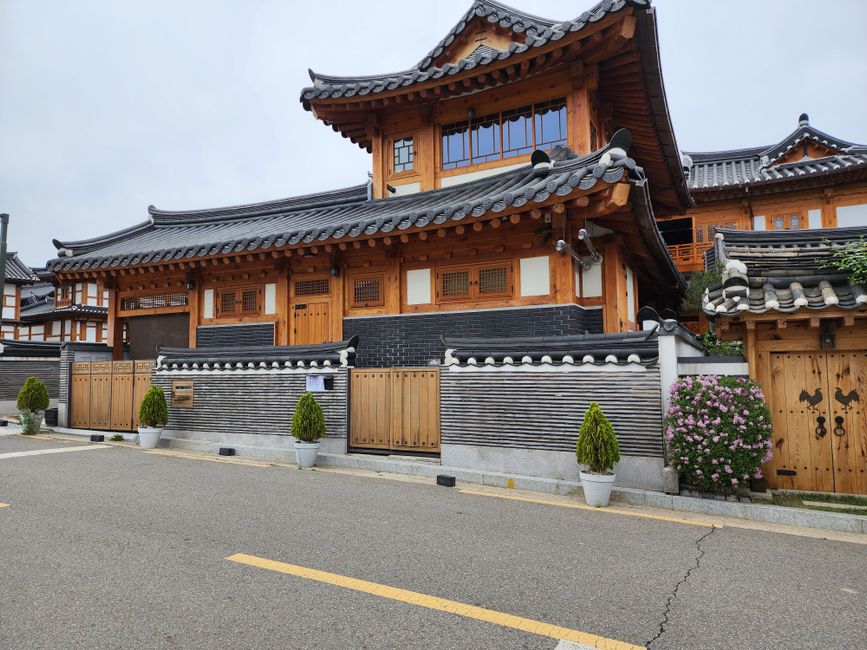
One of the must-have items to make your life in Daegu Dongseongro, Others easier and more enjoyable!
| 🇰🇷 Coupang | Buy on Coupang |
| 🌍 AliExpress | Buy on AliExpress |
This post contains affiliate links. We may earn a small commission at no extra cost to you.