I still remember the sinking feeling in my stomach three months into my move to Daegu. I was sitting in a cafe in Dongseongro, staring at my laptop screen, refreshing a job board for the hundredth time. My savings were bleeding out, my visa was ticking, and every listing seemed to scream “Fluent Korean Required” or “Entry Level Sales (Commission Only).” It felt like the city was a locked door, and I had lost the key. If you are reading this while sitting in a similar cafe in Dongseongro or anywhere else in Korea, wondering if you made a mistake, take a breath. It is not you; it is the market.
Here is the unvarnished survival guide on how to navigate the English-speaking job market here.
1. The “Hidden Market” is Your Only Real Option
In major hubs like Seoul, you can often find corporate jobs posted on LinkedIn or global recruiters. In Daegu, specifically around the Dongseongro area, the best jobs are almost never advertised. The “foreigner-friendly” job market here is a game of networking, not applying.
You need to tap into the expat grapevine immediately. Join Facebook groups specifically for Daegu (like “Daegu Expats” or “Jobs in Daegu”). But do not just post “I need a job.” That is the fastest way to get ignored. Instead, attend the expat meetups in Dongseongro on weekends. I got my first gig—a part-time editing role at a local startup—not because I applied online, but because I was having a beer at a bar in Dongseongro and started talking to a guy whose company needed a native English proofreader. The job was never posted. You have to be physically present to catch these opportunities.
2. Target the “Other” Locations: The Industrial and Education Gaps

While Dongseongro is the heart of the city, the jobs are often in the outskirts or satellite cities. If you limit yourself to the downtown area, you are competing with every other expat and international student for the few cafe or retail jobs that will actually hire a foreigner.
Look for jobs in the “Others” category—specifically the industrial complexes in Seongseo or the satellite cities like Gyeongsan and Chilgok. These areas are desperate for English teachers, but also for foreign workers in manufacturing, logistics, and engineering who can speak English. If you have a technical skill, look for SMEs (Small and Medium Enterprises) in these industrial zones. They often need someone to handle overseas correspondence or export logistics. The commute might be a 40-minute bus ride from Dongseongro, but the pay is significantly better than the “English conversation” gigs downtown, and the visa sponsorship is more stable.
3. The Visa Trap: Do Not Work Under the Table
This is the part where people get burned. If you are on a D-4 (student) or a tourist visa, you cannot legally work a full-time job. I know the temptation is high to take that cash-only gig at a bar in Dongseongro to pay the bills, but the immigration office in Daegu is cracking down harder than ever.
If you are on an E-2 (Teaching) visa, you cannot legally work a second job without permission from your primary employer and immigration. If you want to work in a field outside of teaching, you need to switch to a D-10 (Job Seeking) visa or an E-7 (Specialist) visa. To get an E-7, you need a company to sponsor you, which is why Tip #1 is so important. Do not risk a ban from re-entering Korea for a few hundred thousand won in cash. It is never worth it.
The Brutal Truth
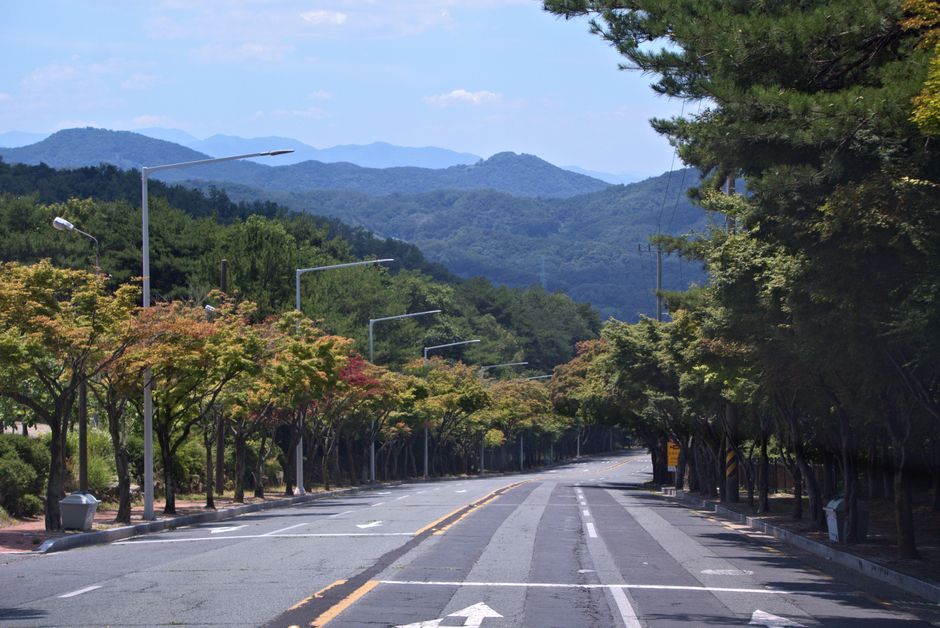
The harsh reality is that Korea, and specifically Daegu, does not owe you a career in your native language. The market for English-speaking jobs in Daegu is incredibly small and highly saturated. Unless you are a qualified engineer, a certified teacher with a Master’s degree, or have a highly specialized skill set, you are competing for low-wage, high-turnover positions. If you do not have a hard skill, you will likely be stuck in the “English Teacher” box, or you will be underemployed. The days of showing up with a pulse and a bachelor’s degree and landing a sweet corporate gig are over. You need to bring something to the table that a Korean national cannot do, or you need to be willing to work harder than everyone else to prove your worth.
Conclusion
It is tough out there, and the loneliness of a job hunt in a foreign city can feel crushing. But do not give up. The expat community in Daegu is resilient, and once you break into that network, things get easier. Be persistent, be legal, and be willing to step outside the comfort zone of Dongseongro to find where the real work is. You can make it here, but you have to play the game smarter than the next guy.
태그 : 외국인 구인구직, English jobs Daegu, Daegu expat jobs, teaching jobs Korea, E-7 visa Korea, Daegu Dongseongro jobs, foreigners working in Korea