I still remember the first time I tried to throw away a pizza box in Seomyeon. I walked out of my officetel, confidently tossed the greasy cardboard into what I assumed was the “trash” bin, and within five minutes, the building security guard was yelling at me in Korean while pointing at a CCTV camera. I had committed a cardinal sin of Korean apartment living. If you are new to Busan, specifically the bustling area of Seomyeon, you need to learn the rules fast. The fines are real, and the ajumma (landlady) will not hesitate to report you.
Understand the Seomyeon “Jongnyangje” System (Volume-Based Waste)
In Seomyeon, you cannot just use any black plastic bag for general waste. You must purchase official “Jongnyangje” (volume-based waste) bags. These are available at any local convenience store (CU, GS25, 7-Eleven) or supermarket. In Busan, the color for general household waste is usually a white or translucent bag (check with your local district office, as colors vary by gu). You pay for the bag, which covers the cost of disposal. If you put your trash in a regular grocery bag, it will be left on the street, and you will likely receive a fine notice taped to your door. Buy the smallest size for food waste and the larger size for general trash. Do not overfill them; the bags must be tied securely.
The Strict Separation of Food Waste (Eumsikmul)
Seomyeon has a massive food culture, but you cannot throw leftovers into the general trash. Food waste must be separated. In most Seomyeon officetels and apartments, there is a designated RFID food waste bin or a specific yellow bin for food scraps. You must remove all packaging (plastic wrap, containers) before dumping the food. If you live in a smaller building, you might need to buy special food waste bags. The brutal part? If you mix a plastic spoon into the food waste bin, the entire bag can be rejected. In Seomyeon, some buildings charge you based on weight for food waste, so scraping your plates properly saves you money.
Recycling Day Protocols and CCTV Surveillance
Recycling in Seomyeon is not a suggestion; it is a monitored activity. Most officetels have a designated “recycling corner” or a specific day for putting out recyclables. You must separate paper, plastic, glass, and cans. Remove labels and caps. Rinse out containers. If you are putting out large items like furniture or broken electronics, you cannot just leave them on the street. You must go to the local district office (Seomyeon is in Busanjin-gu) and pay a sticker fee. The CCTV in Seomyeon alleys is not just for crime; it is used to catch illegal dumping. If you dump trash in a random alley, expect a fine of up to 100,000 KRW or more.
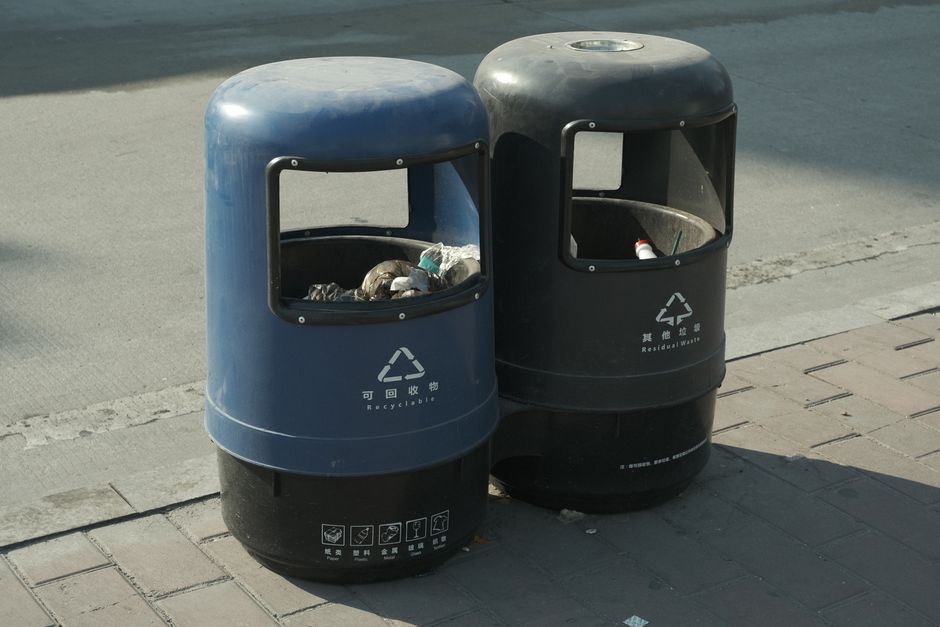
The Brutal Truth
The harsh reality is that no matter how well you separate your trash, if you do it on the wrong day or in the wrong spot, the neighborhood will turn against you. In Seomyeon, your building’s security guard or the landlord is the judge, jury, and executioner of trash rules. They will dig through your trash to find a receipt with your name on it. If you are a foreigner, they will assume you don’t know the rules, and they will be less forgiving. There is no “grace period” for newcomers. You are expected to know the rules the moment you sign your lease.
Conclusion
It feels overwhelming at first, but once you get the hang of the Seomyeon system, it becomes second nature. Buy your bags at the convenience store, rinse your containers, and always check your building’s specific schedule. It is a small price to pay to live in one of Busan’s most vibrant neighborhoods. You’ve got this. Just don’t let the pizza box incident happen to you.
태그 : 한국 쓰레기 분리수거 방법, Seomyeon trash rules, Busan recycling guide, Korea food waste disposal, officetel trash Busan, Korean volume-based waste bags
🛒 Korea Life Essential: Korean recycling bags, compost bin
One of the must-have items to make your life in Seomyeon, Busan easier and more enjoyable!
| 🇰🇷 Coupang | Buy on Coupang |
| 🌍 AliExpress | Buy on AliExpress |
This post contains affiliate links. We may earn a small commission at no extra cost to you.