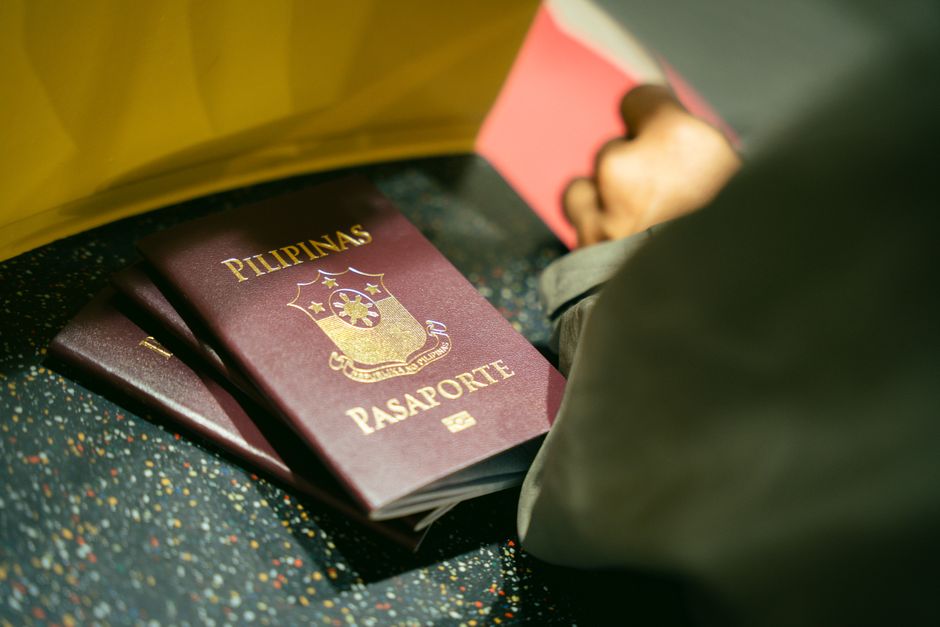
I still remember the sinking feeling in my stomach during my third year in Bundang. I was standing in the cramped waiting room of the Suwon Immigration Office, clutching a stack of documents that looked thick enough to be a thesis. I had taken a day off work, paid for a taxi because the subway was packed, and waited for two hours, only to be told by the stone-faced officer that I was missing one specific copy of my housing contract. I had to come back the next week. That day, I learned that in the world of Korean immigration, preparation isn’t just key—it’s survival.
Living in Bundang, specifically in the Jeongja or Sunae area, is a dream for many expats. It’s clean, the air is better than Seoul, and the international schools are top-notch. But navigating the visa bureaucracy while living in Gyeonggi-do requires a specific strategy. Whether you are a student on a D-2, a teacher on an E-2, or aiming for the coveted F-2 residency, here is how you survive the system.
1. The D-2 Student Visa: It’s Not Just About School
If you are on a D-2 visa, you probably think your only job is to attend class. Wrong. Your visa status is tied directly to your enrollment and your grades. In Gyeonggi-do, immigration offices (like the one in Suwon or the branch in Bundang) are cracking down hard on students who are “visa shopping.”
If you want to stay legal, you must maintain a specific GPA and attendance record. If you drop below the threshold, your university is legally obligated to report you, and your visa extension will be denied. Actionable tip: If you plan to work part-time (Arubaito), you must get permission from your university *and* immigration *before* you start working. In Bundang, many students get caught working at cafes in Pangyo without a permit and end up with heavy fines or deportation orders. Do not risk it. Keep your grades up, and always apply for the “Part-time Work Permit” (S-3) separately.
2. The E-2 Teacher Visa: The Criminal Record Check Trap
For those on an E-2 visa, the process has become notoriously strict. The biggest hurdle isn’t finding a job; it’s the documentation. The biggest mistake I see new teachers make in Bundang is misunderstanding the Apostille and Criminal Background Check (CBC) timeline.
Your CBC must be issued within the last 6 months (sometimes 3 months depending on the officer) and must be Apostilled. If you do a visa run to Japan or go home for a visit, you cannot just bring back a new CBC and expect to keep your current E-2. You often have to start the process from scratch if your current contract expires. Actionable tip: If you are switching jobs in Bundang, ensure your new employer files for your “Visa Issuance Confirmation Number” (VIN) well in advance. Do not let your current visa expire while waiting for the new one. You can apply for a “Change of Status” or an extension if you are between jobs, but you need to visit the immigration office in Suwon *before* your current expiry date.
3. The F-2 Residency Visa: The Points Game
The F-2 visa is the holy grail for many expats in Korea. It allows you to work freely, change jobs without permission, and stay for longer periods. In Bundang, many long-term residents are aiming for this. The F-2-7 (Points-based) visa requires you to accumulate 80 points based on age, education, income, and Korean language ability.
The biggest mistake people make is assuming their salary alone will get them there. You need to prove your income with tax records (Woncheonjing) and your Korean ability with TOPIK scores. Actionable tip: If you are aiming for an F-2, start gathering your documents *now*. You need a complete history of your employment and tax payments in Korea. If you have gaps in your employment or have worked under the table, it will come back to haunt you. Also, check if you qualify for the F-2-99 (Points for those with a domestic master’s degree or higher). The points system is rigid; there is no “negotiating” with the officer.
The Brutal Truth: The “Bundang” Bubble
Here is the harsh reality that no one tells you: Living in Bundang can make you complacent. It’s an affluent, comfortable area with a high concentration of foreigners. Because of this, many expats here isolate themselves in an English-speaking bubble.
The brutal truth is that immigration officers do not care about your comfortable lifestyle. They care about the law. If you are on an E-2 or D-2 visa and you get caught doing something as simple as a freelance graphic design gig on the side without permission, you are violating the Immigration Control Act. The fines in Gyeonggi-do are steep, and they can lead to deportation. Being in Bundang doesn’t make you immune to the law; it just makes the fall from grace harder because you have more to lose. Do not assume that because you live in a “nice” area, the rules are relaxed. They are not.
Conclusion
Navigating the Korean visa system is a marathon, not a sprint. It is frustrating, bureaucratic, and often feels like the odds are stacked against you. But remember, thousands of us have done it before, and you can too. The key is to respect the process, keep your documents organized, and never assume you know the rules better than the officer behind the counter.
Bundang is a fantastic place to live, work, and study. Don’t let a paperwork error ruin your time here. Stay legal, stay informed, and enjoy the best that Gyeonggi-do has to offer.

태그 : 한국 취업 비자, D-2 visa Korea, E-2 visa Bundang, F-2 residency visa, Gyeonggi immigration tips, Suwon immigration office, Korea visa documents, expat life Bundang
🛒 Korea Life Essential: document organizer bag
One of the must-have items to make your life in Bundang, Gyeonggi easier and more enjoyable!
| 🇰🇷 Coupang | Buy on Coupang |
| 🌍 AliExpress | Buy on AliExpress |
This post contains affiliate links. We may earn a small commission at no extra cost to you.