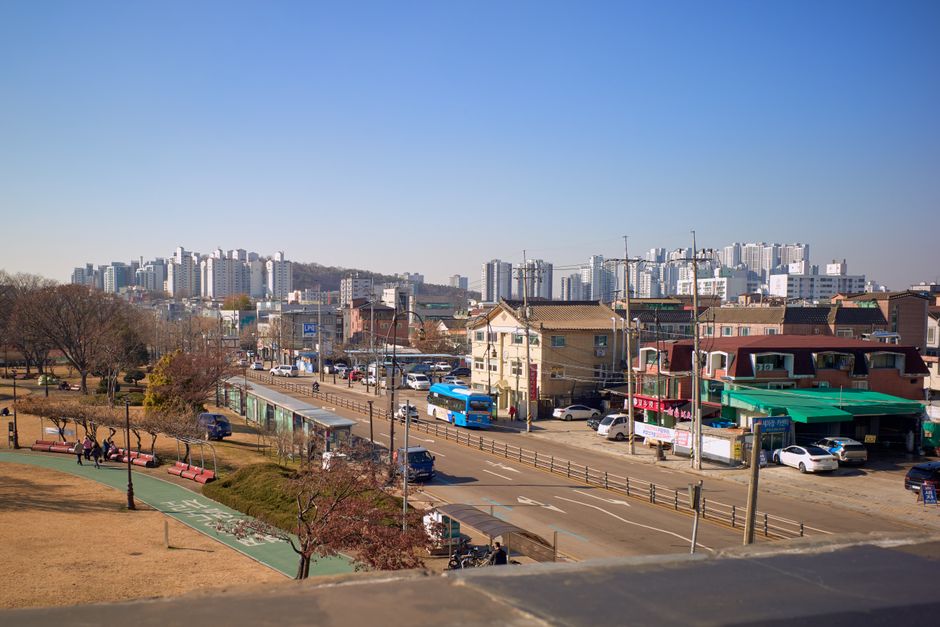
I remember standing in a crowded subway car in Incheon during my first week here, holding a heavy bag of groceries, feeling invisible. I was exhausted, grumpy, and completely misread the room. I thought people were being rude by not making eye contact or offering a seat. It took me a humiliating amount of time to realize I wasn’t being ignored; I was just failing to read the invisible script that everyone else was following. Moving to a new country is hard, but moving to a culture that operates on unspoken hierarchy and rapid-fire social cues is a different beast. Whether you are settling into the futuristic streets of Songdo or navigating the hustle of other districts, understanding the underlying code is your only survival mechanism.
The “Nunchi” Game: Reading the Air Before You Speak
In Korea, what you say is often less important than how you say it and when you say it. The concept of *nunchi* (눈치) is essentially the art of gauging another person’s mood and intentions without them having to explicitly state it. In a place like Songdo, where you have a mix of high-tech international business and traditional Korean hierarchy, this is crucial.
Actionable Tip: Stop talking and start observing. If you are in a meeting at a global company in Songdo or grabbing lunch with local coworkers, watch the dynamics. Who pours the water? Who sits where? If you dominate the conversation or ask too many direct, personal questions immediately, you will be labeled as oblivious. Practice being “quick-witted” socially by anticipating needs—like holding the elevator door or pouring a drink for someone older—before they ask. This shows you respect the collective flow.
The “Our” vs. “My” Mentality
You will notice very quickly that Koreans rarely say “my country” or “my company” in a casual context; it is almost always *uri* (우리), meaning “our.” This collective mindset is powerful. It fosters intense loyalty and teamwork, but it also means that individual needs often take a backseat to the group’s harmony.
Actionable Tip: Embrace the group identity without losing yourself. When you join a company or a social club, you are joining a family unit. Participate in the team dinners (*hoesik*) even if you are tired. If you isolate yourself or insist on doing things “your way” because that is how it’s done back home, you will be excluded. In Songdo, many expats live in a bubble because they don’t engage in the group dynamic. Don’t be that person. Try to contribute to the “we” rather than just focusing on the “me.”
The Speed of “Pali Pali”
Korea moves fast. The *pali pali* (빨리빨리) culture—meaning “hurry up, hurry up”—is not just a stereotype; it is a way of life. Whether it is the delivery man who rings your doorbell 2 seconds after you order, or the server who places your food on the table before you’ve even sat down, efficiency is king.
Actionable Tip: Match the pace or get out of the way. When you are in a queue, have your payment method ready before you reach the register. When the subway doors open, step aside and let people off first, then move in quickly. If you dawdle, you will feel the heat of silent judgment. In Songdo, this is particularly evident in the massive intersections and public transport hubs; people walk fast, and they expect you to keep up.
The Brutal Truth
Here is the harsh reality that no one wants to tell you: You will likely never be fully “in.” No matter how fluent you become in Korean, how perfectly you bow, or how well you handle your chopsticks, you will almost always be viewed as an outsider (*oegugin*). This can be isolating, especially in a place like Songdo which has a high turnover of foreign professionals. You can be here for ten years, and a stranger will still ask you where you are *really* from. You have to learn to make peace with this. You are not Korean, and that is okay. Stop trying to earn a passport to their culture and start building your own hybrid identity.
Conclusion
Living in Incheon and navigating the complexities of Korean culture is a marathon, not a sprint. There will be days when you want to scream at the indirect communication or the breakneck speed of life. But there will also be days when you are amazed by the generosity and warmth of people who treat you like family. Keep your head up, keep observing, and don’t beat yourself up when you make a faux pas. You’re doing better than you think.
태그 : 한국 문화 특징, Korean culture explained, living in Incheon Songdo, expat life Korea, nunchi meaning, pali pali culture, Korean social hierarchy

🛒 Korea Life Essential: Korean vitamin C, Hangul keyboard stickers
One of the must-have items to make your life in Incheon Songdo, Others easier and more enjoyable!
| 🇰🇷 Coupang | Buy on Coupang |
| 🌍 AliExpress | Buy on AliExpress |
This post contains affiliate links. We may earn a small commission at no extra cost to you.