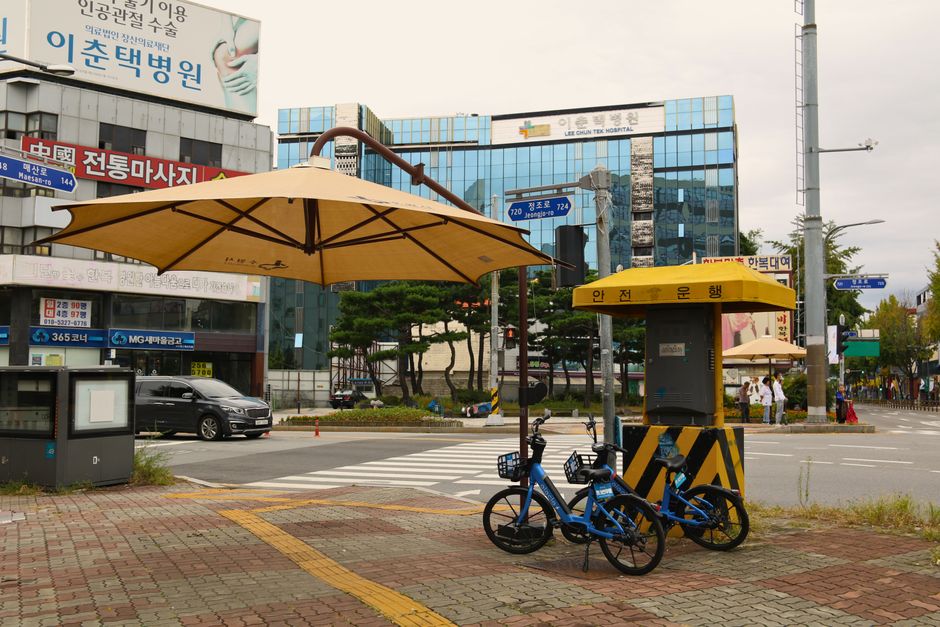
I still remember the sheer panic of my first hospital visit in Pyeongtaek. I had a nasty case of bronchitis that turned into something worse, and my Korean was limited to ordering coffee and saying hello. I walked into a clinic near Camp Humphreys, stared at a clipboard full of Hangul, and realized I couldn’t even answer basic questions about my own medical history. The receptionist looked at me with a mix of pity and impatience. It was a humbling, terrifying experience that taught me exactly what you need to know before you get sick in Korea.
Here is how you survive the Korean medical system without speaking the language.
1. Use the “Camp Humphreys Bubble” (But Know Its Limits)
If you are affiliated with the US military or work on post, your first stop should be the Brian D. Allgood Army Community Hospital or the clinics on base. They have English-speaking staff and translators. However, the brutal reality is that the base often refers you to off-post Korean hospitals for specialized care or emergencies when their capacity is full. When that happens, you need to know the local landscape. The area right outside the Humphreys main gate (Anjeong-ri) has several clinics accustomed to foreigners, but they are not all created equal. Look for clinics with “International Clinic” (국제진료) signs, or ask your Korean co-worker to write down the name of a specific doctor who speaks English. Do not just walk into a random neighborhood clinic and expect a translator.
2. Master the Paperwork and the “Translator App” Workflow
Korean hospitals are incredibly efficient, but they run on paperwork. When you walk in, you will likely need to fill out a “New Patient” form (초진 기록지). If you can’t read Korean, use the Papago app (it is superior to Google Translate for Korean). Take a photo of the form, translate it, and fill it out. When you get to the doctor’s office, do not try to explain complex symptoms with hand gestures. Type your symptoms into Papago, show the doctor the screen, and let them read it. They will usually type their response back or speak into the app. This is slower, but it prevents misdiagnosis. Also, always bring your Alien Registration Card (ARC) and your insurance card. If you don’t have the National Health Insurance (NHIS), you will pay a higher “uninsured” rate, which can be shocking.
3. The Pharmacy Hack and the “Solo” Rule
After your doctor’s visit, you will get a prescription (처방전). You cannot fill this at the hospital usually; you must go to a separate pharmacy (약국). In Pyeongtaek, many pharmacies near the hospital are open late. Hand them the prescription, and they will give you the meds. Here is the survival tip: Ask the doctor to write the dosage instructions in English or use the Papago app to translate the pharmacist’s instructions. Korean pharmacists are fast and often just hand you a bag with pills and a slip of paper. If you don’t understand the dosage, you will mess up your recovery. Also, a harsh reality: If you go to the ER alone and you can’t communicate, you might be left waiting for hours while they prioritize patients who can speak. It is not malicious; it is a triage reality. If you are seriously ill, bring a Korean-speaking friend or use a professional medical interpreter service if your job provides one.
The Brutal Truth
The harsh reality of the Korean medical system is that it is not designed for non-Korean speakers, and the burden of communication falls entirely on you. You cannot expect the doctor to speak English just because you are in a foreigner-heavy area like Pyeongtaek. I have seen expats get misdiagnosed because they nodded along and said “yes” to everything they didn’t understand. You have to be your own advocate. If you don’t understand, stop the appointment and use your phone. It might feel rude to hold up the line, but it is better than taking the wrong medication.
Conclusion
Navigating hospitals in Pyeongtaek without Korean is daunting, but it is absolutely doable. Prepare your translation apps, know your insurance status, and don’t be afraid to ask for help. You are not the first foreigner to struggle with this, and you won’t be the last. Stay healthy, keep your ARC in your wallet, and don’t let the language barrier stop you from getting the care you need.
태그 : 외국인 병원 진료, Pyeongtaek expat hospital guide, Camp Humphreys medical care, Korean hospital English translator, Pyeongtaek international clinic, Korea National Health Insurance foreigner, Anjeong-ri pharmacy

🛒 Korea Life Essential: Korean phrasebook, translation earbuds, medical alert card
One of the must-have items to make your life in Pyeongtaek (Camp Humphreys), Gyeonggi easier and more enjoyable!
| 🇰🇷 Coupang | Buy on Coupang |
| 🌍 AliExpress | Buy on AliExpress |
This post contains affiliate links. We may earn a small commission at no extra cost to you.