I still remember the sheer panic of my first week in Gangnam. I had just finished unpacking a mountain of cardboard boxes from my move, happily tossed them into the big bin outside my officetel, and went back upstairs to enjoy a celebratory beer. Ten minutes later, my landlord was banging on my door, holding a soggy piece of cardboard and shouting something about “separate disposal.” I couldn’t understand a word, but the message was clear: I had committed a cardinal sin in the eyes of the building management. If you’re new here, you need to understand that in Seoul, trash is not just trash; it’s a strict legal obligation. Get it wrong, and you’re looking at fines, angry neighbors, and a whole lot of unnecessary stress. Here is the survival guide I wish I had on day one.
The Holy Trinity: General, Food, and Recycling
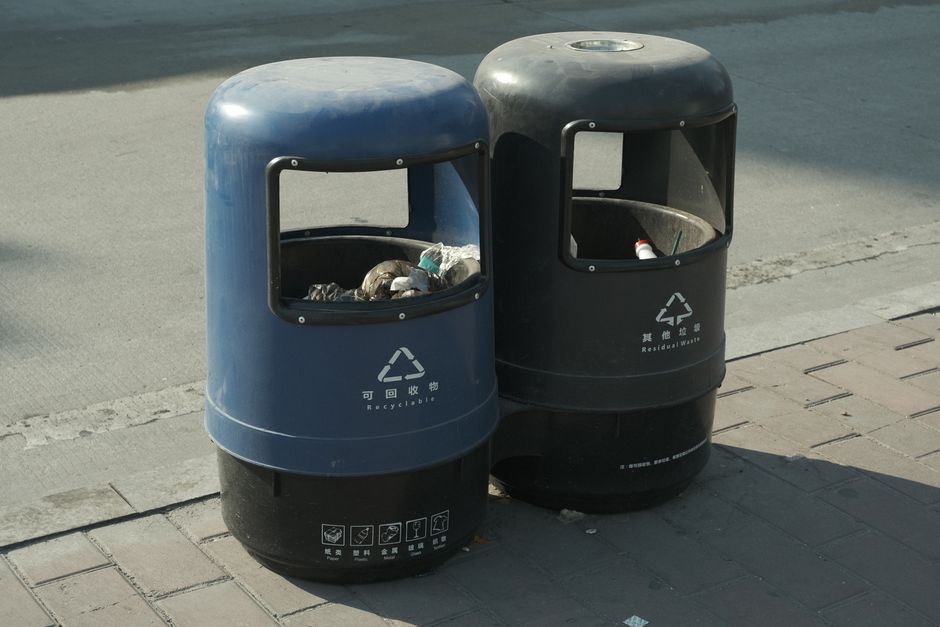
You cannot just throw everything into one bin. In Gangnam, you must separate your waste into three distinct categories: *ilban* (general), *eumsik* (food), and *jaehwal* (recycling). General waste requires specific, paid plastic bags. You can buy these at any convenience store or supermarket. They are color-coded by district, so you need the ones specifically for Gangnam-gu. Food waste is a different beast. You either buy special food waste bags or use a designated bin that requires a card to pay by weight. If you mix a plastic cup into your food waste, you will be fined. Recycling is the easiest—just separate paper, plastic, glass, and metal into the designated bins. If you live in a villa, the landlord usually handles the sorting, but in an officetel, you are on your own.
The 5 PM Curfew and the CCTV
This is the rule that gets foreigners every single time. You cannot put your trash out whenever you feel like it. In most Gangnam residential areas, trash collection happens in the evening, and you are only allowed to put your bags out after a certain time—usually around 5 PM or 6 PM. If you leave your bags out at noon, the street sweeper will not take them, and the building security guard will likely go through your trash to find your address. Yes, they will look for a receipt or a delivery label. If they find it, expect a fine of up to 100,000 KRW. And yes, there are CCTV cameras everywhere. I once watched a neighbor get fined for leaving a single pizza box out at 2 PM. They don’t play around here.
The Food Waste Fee and the “Weight” Trap
In Gangnam, many newer apartments use RFID (Radio Frequency Identification) bins for food waste. You tap your card, the bin opens, and it weighs your waste. You are charged based on the weight. This is brilliant for the environment but brutal for your wallet if you cook a lot. If you live in a building with this system, be warned: if you throw a whole watermelon rind in there, you’re paying for it. The old-school method is buying the yellow food waste bags, which are cheaper but smaller. If you have a lot of organic waste, you might want to invest in a small countertop composter to reduce the volume and weight before you toss it.
The Brutal Truth: The “Outsider” Tax
Here is the harsh reality that no one tells you: as a foreigner, you are held to a higher standard of scrutiny. If a Korean neighbor messes up the recycling, it’s an honest mistake. If you mess it up, it’s because you “don’t understand Korean culture.” I have seen landlords use trash violations as an excuse to withhold deposits from foreign tenants. The brutal truth is that you cannot afford to be lazy here. You must learn the rules perfectly, and you must follow them to the letter, because the moment you slip, you become the “problem foreigner” in the building. It’s not fair, but it’s the reality of living in a high-density, rule-heavy society like Gangnam.
Conclusion: You’ve Got This
Look, I know it sounds overwhelming. I’ve been there, staring at a pile of garbage at 11 PM, wondering if I should just risk it. But once you get into the rhythm, it becomes second nature. Buy the right bags, learn your building’s schedule, and don’t be afraid to ask a friendly neighbor for help. Most Koreans are actually happy to help you sort it out, as long as you show you’re trying. You’re not just disposing of trash; you’re showing respect for your community. And that goes a long way in Korea. Hang in there, get your bags, and you’ll be fine.
태그 : 외국인 한국 거주 쓰레기 배출, Korean trash disposal rules, Gangnam recycling guide, Korea food waste fee, Seoul expat life tips, Korean officetel trash schedule
🛒 Korea Life Essential: Korean recycling bags, compost bin
One of the must-have items to make your life in Gangnam, Seoul easier and more enjoyable!
| 🇰🇷 Coupang | Buy on Coupang |
| 🌍 AliExpress | Buy on AliExpress |
This post contains affiliate links. We may earn a small commission at no extra cost to you.
