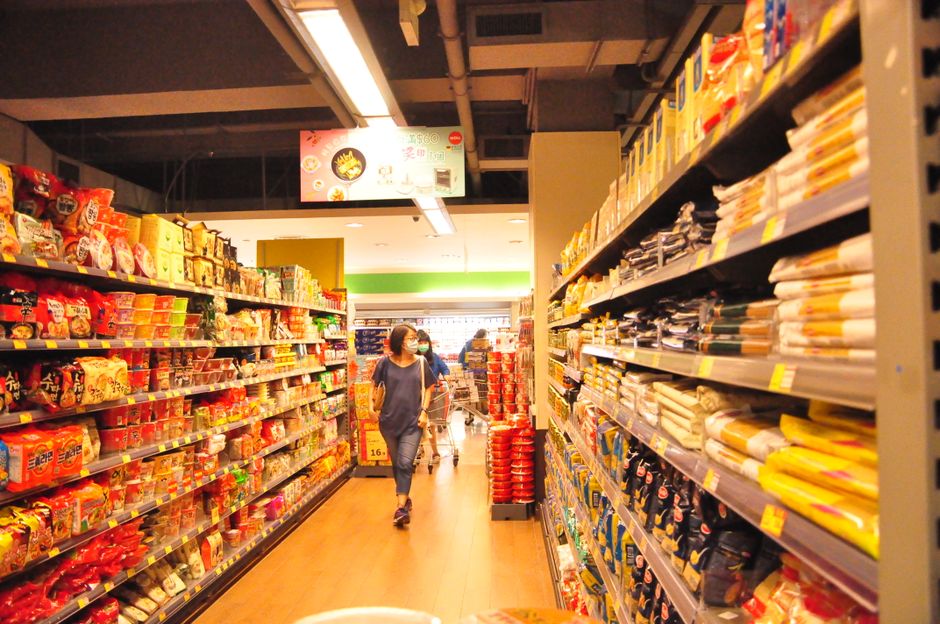
I remember my first trip to an Emart in Suwon. I walked in for a bottle of water and a snack, and walked out 45 minutes later, drenched in sweat, with a cart full of mystery items, a lighter I didn’t need, and zero clue what half of my receipt said. I stood in the parking lot, staring at a bag of what I *thought* was shrimp crackers, only to discover it was actually dried squid strips. It was a rite of passage, but it doesn’t have to be a painful one. After a decade of navigating these aisles, I’ve cracked the code. Here is your survival guide to conquering the Korean mart (대형마트) in Suwon without losing your mind or your wallet.
1. The Card and the App: Your Keys to the Kingdom
Do not, I repeat, do not walk into a Homeplus or Emart without the right plastic and a downloaded app. First, the app: both Emart and Homeplus have apps (like SSG.COM for Emart and Homeplus’ own app) that are linked to your membership. This isn’t just for points—although you’ll get them, and they matter for discounts. The app is your gateway to members-only pricing and, more importantly, digital coupons. You can clip coupons for specific items right on your phone before you even step inside. It feels like cheating, but it’s just smart.
Second, the card: In Korea, your credit card is your loyalty card. If you have a local card from a bank like Shinhan, KB, or Hana, they often have massive automatic discounts at specific marts on specific days (usually the 1st, 15th, or weekends). Don’t just swipe your card; check the bank’s app for “shopping benefits” or “mart discounts” to see which day your card gives you 10% off at Emart or Homeplus. This single step can save you tens of thousands of won a month. If you don’t have a local card yet, get one. It’s non-negotiable for serious savings.
2. The “Twilight Zone” of Discounts: Timing is Everything
Forget the morning rush or the weekend crowds. The real pro move is the evening discount window, usually starting around 7 PM or 8 PM. This is when the fresh food section, particularly the deli and ready-to-eat meals (the *banchan* and *kimbap* sections), gets heavily discounted. You’ll see yellow “30% OFF” or “50% OFF” stickers slapped on the packaging. This is your chance to grab a decent dinner for pennies. I’ve gotten full meals of *bossam* (pork) and sides for the price of a convenience store sandwich.
But beware: the good stuff gets snatched up fast. You have to be there right when the stickers go on, and you need to be decisive. Don’t hover; if you see a worker with a sticker gun, that is your moment. Also, this is the worst time to buy fresh produce—the selection is picked over. For the best produce, go in the morning (think 10 AM on a weekday) when the shelves are fully stocked with the freshest items. So, morning for fruit and veggies, evening for dinner and snacks.
3. The Delivery and “Danger Zone” Masterclass
This is the ultimate game-changer for expats: online delivery. You don’t always need to go to the physical store. Both Emart (via SSG.COM) and Homeplus (via their online mall) offer same-day or next-day delivery for a small fee (or free if you spend over a certain amount). For heavy items like rice (which is heavy!), giant bottles of *soju* for a party, or cases of water, this is a lifesaver. You can also set up recurring deliveries for essentials like milk, eggs, and toilet paper.
Now, for the “Danger Zone”: the non-food aisles. The home goods, electronics, and clothing sections are seductive. They have some great deals, but they are the biggest budget killers. You came for groceries, not a new air fryer. Set a hard budget before you go in, and if you see a “great” deal on a robot vacuum, sleep on it. Add it to your cart in the app, but don’t buy it on impulse. The app will let you compare prices with other online retailers, which are often cheaper for electronics anyway. Treat the physical store as a showroom for those items, not a checkout counter.
The Brutal Truth
The “cheap” prices are an illusion if you don’t speak the language. The biggest savings in Korean marts are on private-label brands (like Emart’s “Peacock” or Homeplus’ “Homeplus” brand) and on deeply discounted “1+1” or “2+1” deals. While the deals are visually obvious, the *fine print* on the packaging is not. You might see a “1+1” sticker and grab two, only to realize at the register that the deal was only for card holders or required a specific app coupon you didn’t have. You will pay full price for that mistake. You must use your phone’s translation app on the product labels and the deal stickers, or you will consistently lose the game of Korean mart economics. It’s annoying, but it’s the price of saving money.
Conclusion
Look, learning to navigate a Korean mart is a survival skill, but it’s one you can easily master. It’s a mix of tech-savvy, timing, and a little bit of linguistic stubbornness. Once you get the hang of it, the massive, chaotic, fluorescent-lit world of the *daemyeong mart* becomes your kingdom of convenience and cost-effective living. You’ll be the friend who knows exactly when the *samgyeopsal* goes on sale and which app to use. You’ve got this. Now go forth and conquer those aisles.
태그 : 대형마트 장보기 꿀팁, Suwon grocery shopping guide, Korean supermarket tips for foreigners, Emart Homeplus discount strategy, expat living in Suwon Korea, Korean mart delivery service
🛒 Korea Life Essential: reusable shopping cart bag, Korean grocery tote
One of the must-have items to make your life in Suwon, Gyeonggi easier and more enjoyable!
| 🇰🇷 Coupang | Buy on Coupang |
| 🌍 AliExpress | Buy on AliExpress |
This post contains affiliate links. We may earn a small commission at no extra cost to you.