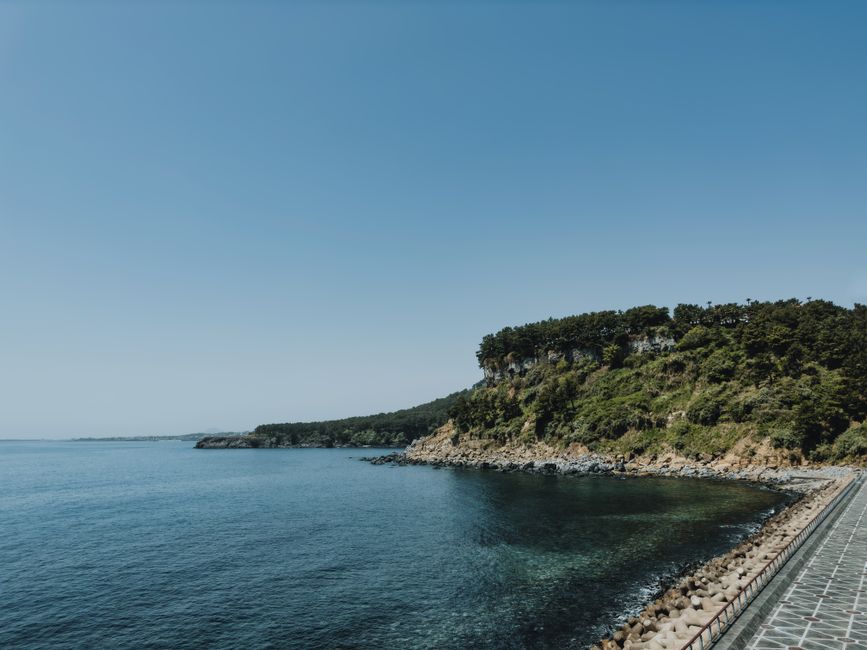
I’ll never forget my first week in Jeju: I smiled warmly at a neighbor, offered a polite “annyeonghaseyo,” and got a stiff nod in return. For days, I thought I’d done something wrong. Turns out, I just hadn’t learned the cultural script yet. After a decade here—from Seoul’s chaos to Jeju’s quiet coasts—I’ve decoded the top Korean cultural traits that’ll save you from awkward silences and social faux pas. Here’s your survival guide.
1. The Age Hierarchy: It’s Not Personal, It’s Protocol
In Korea, age dictates everything—how you speak, drink, and even sit. When you meet someone, the first question isn’t “What’s your name?” but “How old are you?” This isn’t rude; it’s about establishing *seonbae/hubae* (senior/junior) roles. In Jeju, where community ties are tight, ignoring this can get you labeled as disrespectful. Tip: Always use honorifics (-nim, -ssi) for anyone older, and let them pour your drink first. You’ll earn instant respect.
2. The “Nunchi” Dance: Read the Room, Save Your Face
*Nunchi* (눈치) is the art of gauging mood without words. On Jeju, where people are more reserved than in Seoul, this is critical. If a host offers you food three times and you refuse, they’ll assume you’re being polite—but actually expect you to take it on the third offer. Miss this cue, and you’ll starve at a feast. Practical hack: Watch body language. A slow pour of soju means “stop talking,” and a quick glance at the door means “time to leave.” Master this, and you’ll be invited back.
3. The Collective “We” Over “I”: Group Harmony First
Korean culture prizes *uri* (we) over individual needs. In Jeju’s close-knit villages, this means sharing food, splitting bills (even if you didn’t eat much), and never openly complaining about a shared space. I once watched a group of expats get shunned for refusing to join a *sokdo* (speed) hiking event—because it disrupted the group’s plan. Survival tip: Say “we” instead of “I” in conversations, and always offer to share snacks or drinks. It’s not losing autonomy; it’s building trust.
The Brutal Truth: No matter how well you adapt, you’ll still be an outsider for years. Koreans use the term “*waein*” (foreigner) even after you’ve lived here a decade. On Jeju, local dialect and customs (like *haenyeo* diving traditions) can make you feel like a permanent tourist. Embrace the role—it’s not hostility, just cultural preservation.
Conclusion: Fellow expat, you’ve got this. The learning curve is steep, but every misstep is a story. Keep your *nunchi* sharp, your soju glass full, and your ego at the door. Welcome to the adventure—it’s worth it.
태그 : 한국 거주 외국인 경험, Korean cultural traits expat, Jeju Island living tips, Korean age hierarchy, nunchi meaning, adapting to Korea, foreigner survival Korea
🛒 Korea Life Essential: Korean electric kettle
One of the must-have items to make your life in Jeju Island, Others easier and more enjoyable!
| 🇰🇷 Coupang | Buy on Coupang |
| 🌍 AliExpress | Buy on AliExpress |
This post contains affiliate links. We may earn a small commission at no extra cost to you.