I remember my first apartment hunt in Haeundae. I was fresh off the plane, starry-eyed, thinking I could just walk into a real estate office, point at a nice high-rise with an ocean view, and sign a simple lease. Two months, three rejected offers, and one near-nervous breakdown later, I learned the brutal truth: Korea’s rental system is a different beast entirely. If you’re a foreigner in Haeundae, you need this guide.
1. Jeonse (전세) is a Wealthy Expat’s Game, Not a Budget Option
Let’s get this straight: Jeonse, where you pay a massive lump-sum deposit (usually 50-80% of the property value) and get zero monthly rent, is *not* a cheap trick. It’s a savings account disguised as a rental. For Haeundae, a decent two-bedroom near the beach will demand a jeonse deposit of at least 300-500 million KRW (roughly $225k-$375k USD). You need that cash *liquid* and in a Korean bank account. The upside? After two years, you get every won back. The downside? You’re tying up a life-changing amount of money in a system that can be slow to refund if the landlord is shady. Only do this if you have the cash and plan to stay for 2+ years.
2. Wolse (월세) is the Practical Choice—But Negotiate the Deposit
Most foreigners end up with Wolse (monthly rent). In Haeundae, expect a deposit of 5-20 million KRW and monthly rent of 500,000 to 1.5 million KRW depending on size and location. Here’s the pro tip: negotiate the deposit down. Many landlords will accept 10 million KRW deposit instead of 20 million if you pay 100,000 KRW more per month. This frees up cash for your move-in costs. Also, always ask for a *real estate agent’s fee breakdown*—by law, it’s capped, but some agents try to overcharge foreigners.
3. The Haeundae Special: English-Speaking Agents and “Foreigner-Only” Buildings
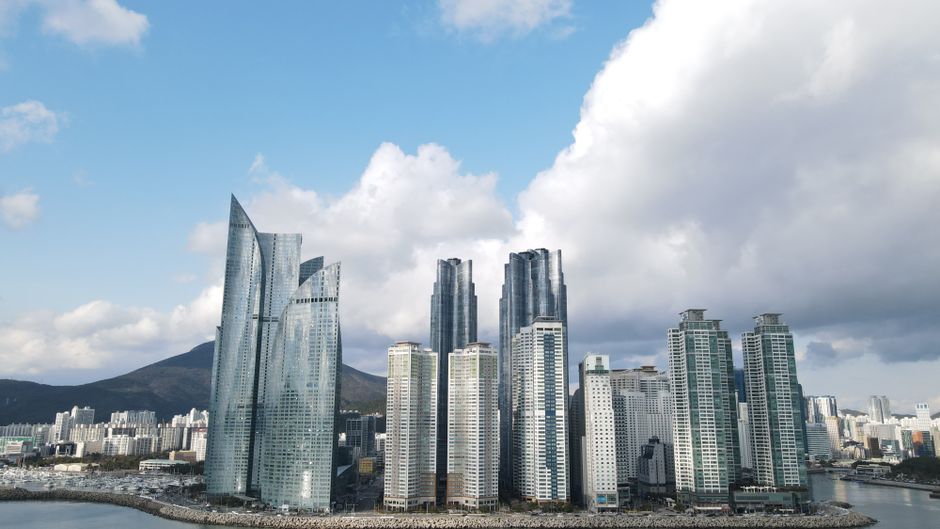
Haeundae has a huge expat community, so there are real estate agents who speak English. Look for “부동산” offices near the beach or in the Centum City area with signs offering English service. Also, be aware of “foreigner-only” buildings, especially officetels. These are often older, smaller, and more expensive per square meter than Korean-run buildings. Why? Because they know you won’t complain about noise or maintenance. Don’t fall for it. Korean-run buildings often have better security, lower rent, and more responsive landlords—you just need a Korean-speaking friend or translator for the contract.
The Brutal Truth:
Even with a perfect contract, your landlord can decide to sell the building mid-lease. In Korea, the new owner must honor your deposit, but you may have to move out at the end of your contract with zero notice. This is legal. Always have a backup plan and a savings buffer for a sudden move.
You’ll survive Haeundae apartment hunting. Just don’t trust the first “ocean view” you see—it’s often a building across the street. Good luck, and remember: bring a translator, cash, and patience.
태그 : 전세 월세 차이, Haeundae apartment rental guide, Busan expat housing tips, Korean rent system for foreigners, Jeonse vs Wolse explained
🛒 Korea Life Essential: Portable air purifier
One of the must-have items to make your life in Haeundae, Busan easier and more enjoyable!
| 🇰🇷 Coupang | Buy on Coupang |
| 🌍 AliExpress | Buy on AliExpress |

This post contains affiliate links. We may earn a small commission at no extra cost to you.