I remember my first apartment hunt in Gwangalli, Busan. I was staring at a real estate agent’s phone, nodding along as he rattled off *“jeonse, wolse, key-money, deposit”* like it was a menu. I had no clue what the difference was, and I almost signed a contract that would have locked me into a ₩50 million deposit I couldn’t afford. Trust me, you don’t want to learn this the hard way.
Understand the ‘Jeonse vs Wolse’ Difference (전세 월세 차이)
This is the first thing you need to nail down. Wolse (월세) is the standard monthly rent system—pay a deposit (usually ₩5-20 million) plus monthly rent (₩500,000-1,500,000 for a decent Gwangalli studio or one-bedroom). Jeonse (전세) is a unique Korean system where you pay a massive lump-sum deposit (typically 50-80% of the property’s value) and live rent-free for 2 years. You get the full deposit back when you leave. For foreigners, Wolse is almost always the safer bet unless you have a solid ₩100 million+ lying around and a long-term visa. Don’t let an agent push you into Jeonse just because it’s “cheaper monthly”—you’ll lose liquidity and flexibility.
Find a Foreigner-Friendly Agent Near Gwangalli Beach
Not all 부동산 (real estate agents) speak English or are willing to deal with expat paperwork. Head to the area around Gwangalli Station (Exit 3 or 5) where you’ll find a cluster of smaller agencies. Look for signs that say “외국인 가능” (Foreigners OK) or ask at a nearby convenience store for recommendations. When you visit, bring your ARC (Alien Registration Card) and a copy of your visa. Agents here are used to foreign students from nearby Pukyong National University, so be clear: “I want Wolse, 1-year contract, near the beach, under ₩10 million deposit.” Negotiate the deposit amount—many will drop it by 1-2 million if you’re polite.
Inspect the Room for Hidden Costs and Noise
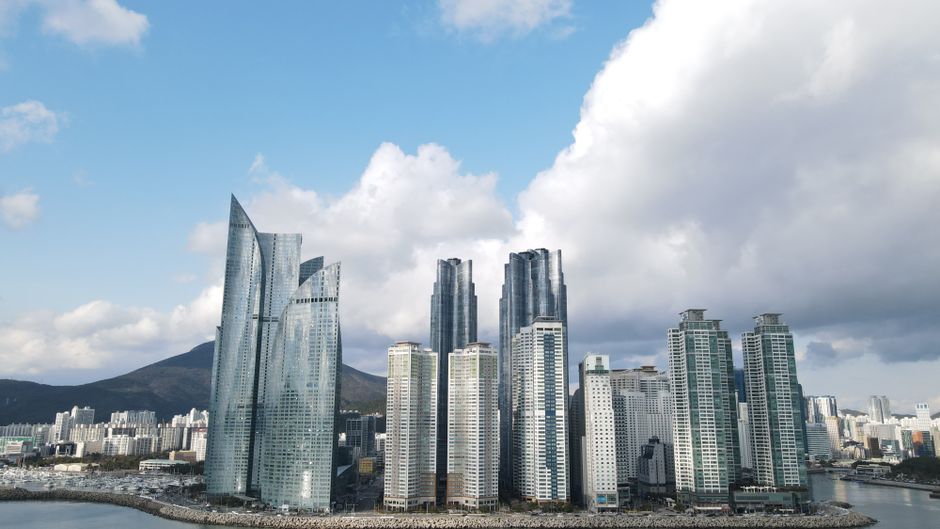
Gwangalli apartments are notorious for thin walls and soundproofing issues, especially the older villas behind the main strip. Visit the unit at night (around 9 PM) to check for noise from bars, street performers, or the beach crowd. Check the water pressure and heating system—ask if it’s central or individual. For utilities, budget at least ₩150,000-200,000 monthly in winter for electric heating. Also, confirm if the deposit is refundable through a bank guarantee or direct from the landlord. Never hand over cash—always use a bank transfer and get a receipt.
The Brutal Truth
Even with a written contract, some landlords will try to keep your deposit for “damages” that didn’t exist. They know foreigners often don’t have the time or language skills to fight it. Always take photos and a video of the entire apartment on move-in day, and send a copy to your agent and landlord via KakaoTalk. If they claim a scratch was there, you have proof.
You’ll find your spot in Gwangalli—just be smart, not desperate. The beach sunsets and squid sizzling at night are worth the hassle.
태그 : 전세 월세 차이, Gwangalli apartment for rent, Busan expat housing tips, jeonse vs wolse Korea, foreigner rent in South Korea
🛒 Korea Life Essential: Korean rice cooker, air purifier
One of the must-have items to make your life in Gwangalli, Busan easier and more enjoyable!

| 🇰🇷 Coupang | Buy on Coupang |
| 🌍 AliExpress | Buy on AliExpress |
This post contains affiliate links. We may earn a small commission at no extra cost to you.