I remember my first apartment hunt in Sinchon like it was yesterday. I was fresh off the plane, clutching a dictionary app, and a Korean real estate agent threw out the words “jeonse” and “wolse” like I should just know. I nodded politely, sweating through my shirt, while mentally calculating if I could afford to live in a cardboard box. Spoiler: I couldn’t. After a decade here, I’ve cracked the code, and I’m here to save you the panic attacks.
Tip 1: Know the Difference Between Jeonse and Wolse (전세 월세 차이)
Here’s the brutal breakdown. Jeonse (전세) is a massive lump-sum deposit—usually 50-80% of the property’s value—that you pay upfront, and you get it all back when you move out. No monthly rent, but you’re essentially giving the landlord an interest-free loan. Wolse (월세) is the standard monthly rent system, with a smaller deposit (typically 5-10 million KRW) plus monthly payments (500,000-1,000,000 KRW for a decent Sinchon studio). For foreigners, wolse is usually the smarter choice unless you have a fat stack of cash and a steady visa. Sinchon’s student-heavy area means many landlords are used to wolse, so haggle on the deposit—aim for 5 million KRW if you can.
Tip 2: Use the Right Platforms and Agents
Don’t waste time wandering into random 부동산 (real estate offices) near Sinchon Station. Instead, use Dabang (다방) or Zigbang (직방) apps—they have English-friendly filters for “wolse” and let you see photos without an agent breathing down your neck. For Sinchon specifically, look near exit 4 of Sinchon Station or around Yonsei University’s back gate; these areas have smaller, cheaper villas (빌라) that expats love. When you find a listing, call the agent and say “외국인인데 월세 가능해요?” (I’m a foreigner, is wolse okay?). Many agents will try to push jeonse because it’s more profitable for them, so hold your ground.
Tip 3: Watch Out for Hidden Costs and Contracts
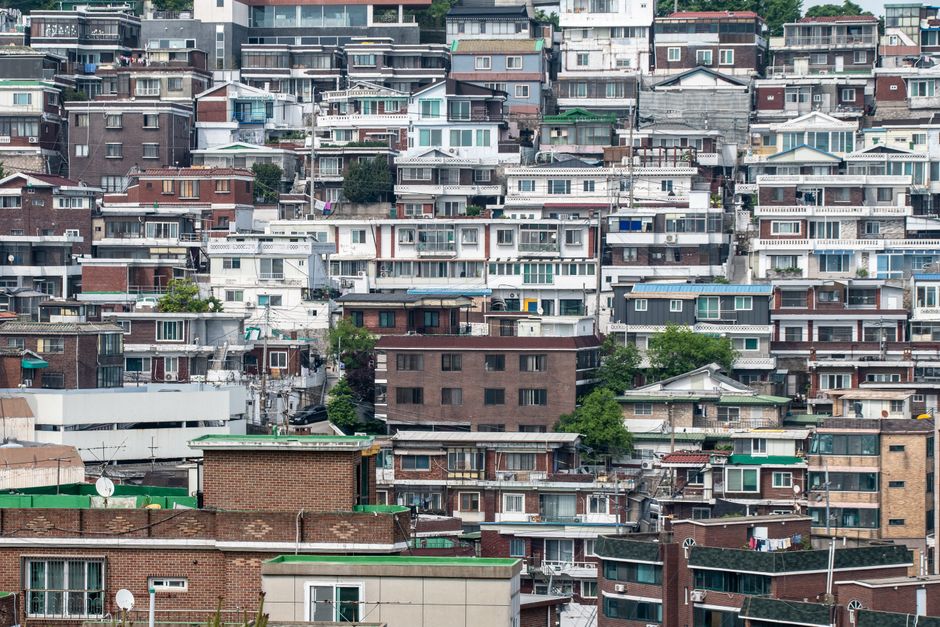
The deposit isn’t your only upfront cost. Budget for key money (보증금) —usually 2-4 months’ rent for wolse—plus a real estate commission (about 0.5% of the deposit or monthly rent, capped by law). Also, utility bills (electricity, gas, water) can double in winter if you have electric heating. In Sinchon, older buildings (post-1990s) are common, so check for mold and plumbing issues. The contract is usually a standard two-year term, but you can negotiate a one-year lease for a slightly higher monthly rent. Always get a translated copy of the contract—Korean law favors the landlord, so don’t sign blind.
The Brutal Truth
Most landlords prefer jeonse because it locks in a giant cash pile, and they’ll often lie about “availability” to push you toward it. You’ll hear “아, 전세만 가능해요” (Oh, only jeonse is available) more times than you can count. It’s a power play. Don’t fall for it—if you insist on wolse, they’ll magically find a unit. Also, be prepared for “no foreigners” discrimination in some buildings, especially older ones. It’s illegal but happens; just move on to the next agent.
Listen, finding a place in Sinchon as a foreigner is a headache, but it’s doable. You’ll learn to spot a moldy ceiling from a mile away and haggle like a pro. Don’t let the system break you—you’re tougher than a jeonse deposit. Good luck, and may your apartment have good heating.
태그 : 전세 월세 차이, Sinchon apartment for foreigners, Korea rental guide expat, Seoul wolse tips, Korean real estate for international students
🛒 Korea Life Essential: Korean electric rice cooker
One of the must-have items to make your life in Sinchon, Seoul easier and more enjoyable!
| 🇰🇷 Coupang | Buy on Coupang |
| 🌍 AliExpress | Buy on AliExpress |
This post contains affiliate links. We may earn a small commission at no extra cost to you.